Hey there, thanks for swinging by my corner of the web—if you’re here, chances are you’re staring down a pile of overgrown yard waste, or maybe you just got a gas-powered grass shredder and have no clue where to start. I’ve been selling these bad boys for 7 years now, so trust me when I say I’ve seen newbies fumble through startup steps that make zero sense. Let’s cut the crap and get you shredding (not the metal kind, the grass kind) without blowing a fuse or breaking your shredder before you even get it going. Grass Shredder
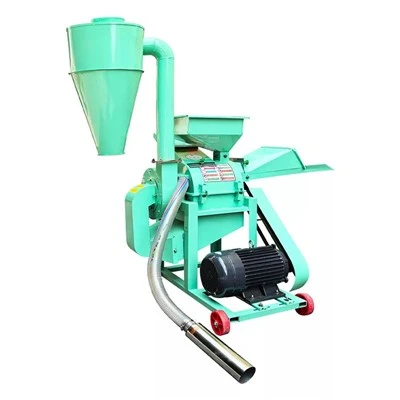
First off, let’s make sure we’re on the same page: this isn’t a battery-powered toy we’re talking about. A gas shredder has a small internal combustion engine, and skipping the basic pre-start checks is like trying to drive a car with no oil—you’re asking for trouble. I’ve had so many customers come to me going, “It wouldn’t start” and turn out they forgot the gas cap was loose, or the spark plug was caked in grass clippings. Let’s start with the non-negotiable pre-start stuff that takes 5 minutes, max.
Step 1: Do a Quick “Shredder Checkup” Before You Even Touch the Gas
You wouldn’t run a marathon without stretching, right? Same logic here. First, pop open the top of the shredder and make sure there’s no random debris from when it was sitting in the warehouse or your garage. I once shipped a shredder to a guy who found a packing peanut stuck in the cutting chamber—guy wasted 2 hours trying to start it because the chamber was blocked. Gross, and totally avoidable. Next, check the cutting blades. A little debris on them is fine, but if they’re loose or rusted up, that’s a problem. You can snug them with a wrench (just don’t overdo it—they’re made of tough steel, but you can strip the bolt) or hit ‘em with a wire brush if there’s crud caked on. Pro tip from my tech crew: never use a screwdriver to pry blades loose. You’ll bend ‘em, and that’s a $100 fix you don’t need.
Next, the spark plug. This is the heart of the ignition system. Take the spark plug wire off, pull the plug out with a socket wrench. If it’s black, wet, or covered in grass gunk, give it a light sand with a piece of fine-grit sandpaper (like 220 grit) to clean it. If the gap between the two prongs is more than the thickness of a business card, bend it slightly to narrow it—too big a gap means no spark, no start. I always keep a spare spark plug in my stock (shoutout to anyone who’s ever gotten stranded mid-yard work without one) so if yours looks shot, swap it quick. While we’re at it, double-check the air filter. If it’s a foam one, rinse it with soapy water and let it dry completely before you put it back. If it’s paper, tap it gently on a hard surface to shake off dust—never blow on it with your mouth, you’ll just push gunk deeper. A clogged air filter kills gas mileage and makes the engine run rough, so skip the lazy shortcut here.
Step 2: Fuel It Up (The Right Way—No, Not Just Any Gas)
Okay, this is where I see the most mistakes. People think “gas is gas” and dump whatever’s in their lawnmower can into the shredder. News flash: gas-powered shredders, especially the smaller residential ones, hate old gas. If your shredder has been sitting for more than 30 days, you need to drain the old gas first. Ethanol gas (the stuff with 10% ethanol) can go bad in as little as a month, turning gummy and clogging the fuel line. I tell all my customers to use fresh, non-ethanol gas if you can find it— it’s a little pricier, but it prevents 90% of startup issues. If you can only get ethanol-blended gas, add a fuel stabilizer when you fill up. That stuff’s like a multivitamin for small engines—keeps the gas from going bad when you store the shredder over winter.
When you fill the tank, don’t overdo it. Leave about an inch of space at the top—gas expands when it gets warm, and if you fill it to the brim, it’ll leak into the engine, causing a flooded engine (more on that later). Also, never fill the tank while the shredder’s hot or running—gas fumes are super flammable, and I don’t need to hear about a customer burning down their garage ‘cause they got in a hurry. Wait 10 minutes after it’s off before you add fuel. That’s it.
Step 3: Get the Controls Right (Choke, Throttle, On-Off Switch—Don’t Ignore These)
Now you’re ready to mess with the controls. First, make sure the on-off switch (it’s usually a big red button or a switch on the handle or engine) is switched to the “ON” position. Duh, right? But you’d be shocked how many people skip that. Next, the choke. The choke is a valve that restricts air flow to the carburetor, which makes the fuel mixture richer for cold starts—critical if your shredder’s been sitting overnight or it’s cold out. If it’s warm, you don’t need the choke at all. If it’s cold, pull the choke out all the way. Wait—don’t crank it while the choke’s all the way out if you just refueled? No, wait, hold on: if you flooded the engine (you dumped too much gas in, cranked it too much), you need to purge the gas first. The fix for a flooded engine is to push the choke in all the way, hold the throttle wide open, and crank it 3-4 times. That lets extra air in and blows out the excess gas. Got it? Good.
Most shredders have a throttle lever too—keep it at the “fast” or “run” position while starting. Don’t start it on low, that’ll bog the engine down. And one more thing: make sure the shredder is on flat ground, not on an incline. If it’s tilted, gas can flow into the wrong part of the engine, causing more startup headaches. I can’t tell you how many times a customer texts me a video of their shredder dying mid-start just ‘cause they set it on a sloped driveway.
Step 4: Crank That Bad Boy (Safely, I Beg)
Okay, time for the fun part—but safety first. You should always have safety gear on: gloves, closed-toe shoes, and eye protection. The spinning blades don’t care if you’re in a hurry, and gas engines can kick back (that’s when the pull cord jerks hard) if you crank it wrong. Stand to the side of the shredder, not directly in front of the feed opening. That way, if something does go flying, it’s not coming at your face.
Now, pull the starter cord (or use the electric start, if yours has one). If it’s a pull cord, grip it firmly, don’t wrap your whole hand around it, and pull straight out—don’t yank it up in a jerky motion, that’s how you sprain your wrist. If it doesn’t start on the first pull, don’t yank it 10 times in a row. Wait 10 seconds between pulls—let the spark plug reset, don’t flood it more. If it starts but dies right away, maybe the choke was set wrong. Push it halfway in, crank again. Once it runs for a minute, push the choke all the way in, let it warm up for another minute, and you’re good to feed in grass clippings, small branches, whatever.
Common Issues I See All the Time (And How to Fix ‘Em Fast)
Even if you did all the steps right, sometimes stuff goes wrong. Let’s talk about the most frequent complaints I get:
-
It won’t start at all. 9 times out of 10, it’s either the spark plug (dirty or gap wrong), bad gas, or the on-off switch was off. Double-check those first before you take it apart. Don’t call a repair guy for a $5 fix.
-
It starts but sputters and dies. Clogged air filter, dirty spark plug, or bad gas. I once had a guy bring in a shredder that had gas from 6 months prior in the tank—we drained it, added fresh gas, and it ran like new. Duh.
-
It’s hard to pull the starter cord. That’s usually a seized blade or a bad recoil spring. Turn the shredder off, disconnect the spark plug wire, reach in the cutting chamber and spin the blade a little to make sure it’s not stuck. If it still won’t pull, the recoil spring is broken—those are easy to replace, but don’t force the cord, you’ll snap it.
Pro Tips From a Guy Who’s Sold Hundreds of These
-
Don’t shred wet grass. Wet grass clogs the blades, makes the engine work harder, and it’s just a pain in the butt. Wait for a dry day.
-
After every use, empty the fuel tank if you’re not gonna use it for more than a week. Fresh gas is key. And wipe down the outside of the shredder—grass sap is sticky, and it’ll eat at the metal over time.
-
If you have questions, don’t Google some random forum answer. My team and I have been testing these shredders for years, so hit me up. I don’t do fancy website links or fancy sales pitches—we just sell quality shredders and help people get them running right.
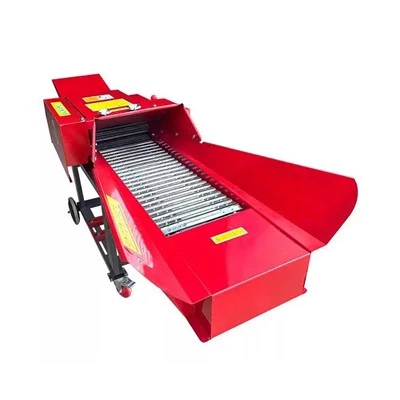
At the end of the day, starting a gas-powered grass shredder isn’t rocket science. It’s just a few simple checks, a little common sense, and not rushing through the steps. If you take 5 minutes to do the pre-start check instead of yanking the cord 20 times, you’ll be shredding yard waste in no time, instead of staring at a broken machine in your garage. If you’re in the market for a new shredder, or you just need help troubleshooting yours, reach out—I’m here to make sure you don’t have the same headaches I see every week. Let’s get your yard work done the easy way.
Chaff Cutter References
Small Engine Repair Manual (2021)
Yard Equipment Startup Best Practices, Outdoor Power Equipment Institute (2022)
Gas Powered Shredder Operation Guide, Grass Shredder Supplier Technical Manual (2019)
Zhengzhou Xinyihaotong Machinery Manufacturing Co., Ltd.
As one of the most professional grass shredder manufacturers in China, we also support custom service. We warmly welcome you to buy high quality grass shredder for sale here from our factory. For price consultation, contact us.
Address: Rooms 2301–2312, Jiayi Building, Xinxiang City, Henan Province, China
E-mail: zhaoyixuan5566@gmail.com
WebSite: https://www.xyhtmachinery.com/
