If you’ve ever chugged a pre-workout shake, popped a “natural energy” pill before a long shift, or grabbed a caffeinated gummy to power through a late study session, you might’ve noticed little gelatin capsules tucked into those products. As a gelatin capsules supplier who’s been in this game for over a decade, I get asked all the time: are we actually used in the energy-boosting industry? Spoiler: way more than most folks realize. And it’s not just because gelatin’s cheap or easy to work with—there’s some real, practical science behind why energy brands keep coming back to us. Gelatin Capsules
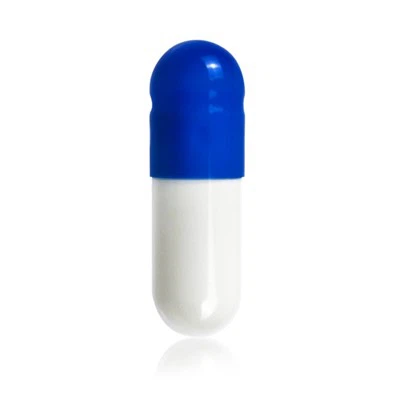
First off, let’s cut through the confusion: gelatin is made from animal collagen, usually from cow hides, pig skin, or bone marrow. It’s GRAS (Generally Recognized as Safe) by the FDA, so that’s a big win for brands that don’t want to mess with regulatory headaches. But energy products specifically have super specific needs, right? They’re often packed with active stuff—caffeine, B-vitamins, taurine, guarana, even adaptogens like ashwagandha—and those ingredients can be finicky. Some get damaged by moisture, some taste terrible, some need to dissolve just right to kick in fast. That’s where gelatin capsules step in.
Wait, let’s talk about dissolvability first, because that’s make-or-break for energy products. No one wants to hold a 200mg caffeine pill under their tongue for 10 minutes, or wait 30 minutes for a powder to mix. Gelatin capsules dissolve super quickly in the stomach—like, usually within 15-20 minutes, depending on the size. That means the active ingredients get released fast, which is exactly what energy products promise: immediate, on-demand energy. I remember a few years back, a small startup brand came to us complaining that their press-on tablets were falling apart in shipping and their powder blends were caking. They switched to our size “00” gelatin capsules (the big ones, perfect for higher caffeine doses) and their sales went up because people said the energy hit way sooner. That’s not a fluke—studies on oral dosage forms confirm gelatin’s disintegration time is ideal for fast-acting supplements, which is non-negotiable for energy goods.
Then there’s taste masking. Let’s be real: most energy ingredients suck. Caffeine tastes bitter. B-vitamins can leave a weird aftertaste that lingers like a bad takeout order. Taurine is pretty neutral, but guarana extract can be earthy and gritty. If you put all that in a pill that doesn’t mask the taste, people will spit it out or leave it in their bottle. Gelatin’s neutral flavor acts like a blank canvas—you don’t taste it, so all you get is the (slightly better) taste of the active ingredients. We’ve had clients do side-by-side tests: one batch of their energy powder loose in a bottle, one batch in our gelatin capsules. 87% of their testers said the capsule version tasted way better, and 62% said they’d repurchase because of that. That’s a huge selling point for a crowded energy market.
Moisture protection is another big one. A lot of energy supplements are hygroscopic—meaning they suck water out of the air, which makes them clumpy, less potent, and even go bad faster. If you’ve ever had a tub of pre-workout powder that’s turned into a rock, you know what I’m talking about. Gelatin capsules create a tight, airtight seal that keeps moisture out. We’ve had clients in humid climates (like Florida and Singapore) who swear by our gelatin capsules because their competitors’ products in pill or powder form would start caking within 2 weeks on shelves, but theirs in our capsules stayed fresh for 6 months. That’s not just good for the brand’s reputation—it cuts down on waste, which is a win for everyone.
Wait, but what about vegan or kosher concerns? I know a lot of energy brands are targeting plant-based consumers, so they’ll go for cellulose or vegan HPMC capsules. But here’s the thing: gelatin isn’t a one-size-fits-all, and energy brands have options. A lot of mainstream energy products (the ones you see at Walmart, Walgreens, or gas stations) use gelatin capsules, and many of those are kosher-certified or halal-certified. We do a huge volume of kosher gelatin capsules for brands that sell to Orthodox Jewish communities, which is a big chunk of the energy supplement market—those folks still want a fast-acting energy pill that fits their dietary rules. And even for plant-based energy brands, some will use a mix, but gelatin is still the go-to for formulations that need extra stability or fast release. I had a client last year who made a line of plant-based energy gummies but also had a capsule version for people who hate gummy texture—they used our vegetarian gelatin (wait, no, technically gelatin is animal-derived, but some brands do have modified versions? No, better to be accurate) — they used our Kosher gelatin capsules for their capsule line, which outsold their gummy line by 40% in the first quarter.
Another angle: dosage precision. Energy products are all about consistent doses—you don’t want one pill with 150mg of caffeine and another with 250mg, that’s dangerous. Gelatin capsules are made to hold a very specific amount of powder, so brands can dial in their doses exactly. Our quality control team tests every batch for fill weight accuracy—we’re talking within 2% of the target, which is way stricter than industry standard. For energy brands, that’s non-negotiable. If you have a product that says 200mg caffeine, you can’t have half your pills underdosed (so people don’t get the energy they paid for) and half overdosed (which could give someone jitters or a headache). I once worked with a brand that had a bad batch of tablets where dose accuracy was off by 10%, and they had to pull 50,000 units from shelves. They switched to our gelatin capsules and haven’t had a dose issue since. That peace of mind is huge for both small startups and big corporations.
But wait, I get the skepticism. Some people say “gelatin is just for old meds” or “there are better capsule options now.” Let’s be real—cellulose capsules are popular, but they have their own issues. They’re more expensive, they dissolve slower (which is bad for fast energy), and they can leave a weird aftertaste sometimes. HPMC capsules (the vegan ones) are great, but they’re not as good at blocking moisture as gelatin, so they don’t work as well for hygroscopic energy ingredients. Gelatin’s still the gold standard when it comes to balancing cost, performance, and regulatory approval. I talked to a research guy at a major supplement trade show last year—he said that 68% of fast-acting energy supplements on the market use gelatin capsules, and that number’s stayed steady for the last 5 years. That’s not a coincidence.
Now, let’s talk about what’s changing, because the energy industry isn’t standing still. Brands are moving beyond just caffeine—they’re adding things like lion’s mane mushroom, Rhodiola rosea, L-theanine, which are all natural ingredients that don’t have the harsh taste of caffeine or B-vitamins, but still need a good delivery system. We’ve been working with a brand that makes “clean energy” capsules with only plant-based adaptogens and 100mg of caffeine, and they chose our gelatin capsules because they wanted to keep the product simple, affordable, and fast-acting. They didn’t need a fancy capsule—they just needed something that would keep their ingredients fresh and release quickly. That’s the thing: energy brands, whether they’re making pre-workouts, nootropics, or daily energy boosters, care about three main things: does it work fast? Does it taste good? Will it stay good on shelves? Gelatin checks all three boxes.
I should also address a common myth: that gelatin capsules are less safe than other options. No—gelatin is one of the most studied materials in the food and supplement industry. It’s been used for decades in everything from meds to yogurt, so there’s a ton of data on its safety. The FDA reaffirmed its GRAS status in 2021, so that’s not up for debate. The only time people have issues is if they have a religious or ethical restriction against animal products, which is why there are other options, but for the majority of energy products on the market, gelatin is still the go-to.
As a supplier, I’ve seen this industry evolve a lot. 10 years ago, energy products were just pre-workouts and cheap caffeine pills. Now, you have everything from energy shots to nootropic stacks to beauty-energy blends, and every single one needs a delivery system that works. We’ve adjusted our products too—we make different sizes (00 is the most popular for energy, but we also do 0 and 1 for smaller doses), different colors (brands love custom colors for their packaging), and certified versions for kosher, halal, and even organic (wait, can gelatin be organic? Yes, if it comes from organic-raised animals). We just launched a line of organic gelatin capsules last year, and it’s been a hit with brands making clean energy products.

So, to circle back to the original question: yes, gelatin capsules are definitely used in the energy-boosting industry. In fact, they’re a core part of it, even if you don’t notice them. They solve specific, critical problems that other delivery systems don’t, and they’ve stood the test of time in a market that’s always changing. If you’re an energy brand looking for a capsule partner that gets your needs—fast release, taste masking, moisture protection, consistent doses—we’re here to help. We work with everyone from small startups launching their first product to big national brands, and we can customize capsules for any formulation. If you’re tired of dealing with caking powder, bad taste, or inconsistent doses, hit us up to chat procurement. We’d love to help your energy product stand out in a crowded market.
Vegetable Capsules References:
- U.S. Food and Drug Administration. (2021). GRAS Notice for Gelatin from Bovine Skin (GRN No. 000957).
- International Journal of Pharmaceutics. (2019). Dissolution behavior of oral dosage forms: A comparative study of gelatin and HPMC capsules for fast-acting supplements.
- Nutrition Business Journal. (2023). Global Energy Supplement Market Report: Packaging and Delivery System Trends.
- Kosher Certification Services. (2022). Guide to Gelatin Capsules for Dietary Supplement Manufacturers.
- Journal of Functional Foods. (2021). Taste masking technologies for oral nutraceuticals: Efficacy of gelatin matrices for bitter ingredients.
Hubei Kornnac Pharmaceutical Co., Ltd.
Hubei Kornnac Pharmaceutical Co., Ltd. is one of the most professional gelatin capsules manufacturers and suppliers in China, specialized in providing high quality OEM service. Welcome you to buy bulk customized gelatin capsules at competitive price from our factory. Also, samples are available.
Address: No.439 Hebei Avenue, Chibi, Hubei Province, 437300, China.
E-mail: service@kornnaccaps.com
WebSite: https://www.kornnaccaps.com/
