Hey everyone! If you’ve ever worked with marine electronics, you know how flat cables can be such a headache when corrosion hits. Let me tell you— I’ve been selling flat cables for over 10 years now, and I’ve seen way too many clients bring back cables that were supposed to handle saltwater, only to find them all pitted, fuzzy, or even totally fried from corrosion. Marine environments are brutal: salt spray, constant humidity, waves crashing over deck gear, even being submerged for short stints here and there. It’s not just about picking any old flat cable, either— you gotta know what to look for, how to install it right, and how to keep it from rusting out before its time. Today, I’m breaking down exactly how to prevent corrosion in marine flat cables, from my side as a supplier who’s talked to thousands of boat builders, captains, and DIY marine enthusiasts. Flat Cables
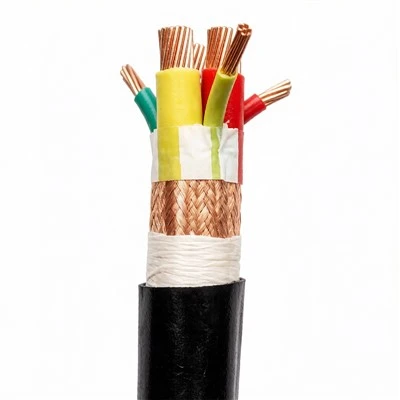
First off, let’s get real about why marine flat cables corrode in the first place. It’s not like regular rust on a bike chain— this is electrochemical corrosion, and saltwater is the main culprit here. Salt is an electrolyte, right? It’s got all these charged particles that let electricity flow between different metals, which creates a tiny battery effect. Flat cables usually have copper conductors, a plastic or rubber jacket, and maybe some metal shielding or connectors to boot. When water (especially saltwater) seeps into the jacket, gets trapped between the layers, or touches the ends of the conductors where they’re cut, that electrochemical reaction starts. Add in temperature swings— like a boat baking in the sun all day and then getting splashed with cold saltwater at night— and you’ve got a recipe for corrosion that eats through conductors or weakens the jacket so much water can get in even easier.
Let’s start with the basics: picking the right flat cable for marine use. I can’t stress this enough— not all flat cables are made equal, and a lot of people grab the cheapest one off Amazon because it’s labeled “marine grade,” but that’s not enough. First, check the conductor material. Pure copper is conductive, but it corrodes super fast in saltwater. That’s why marine flat cables need tinned copper conductors. Tinning is when you coat the copper with a thin layer of tin, which acts as a barrier between the copper and the saltwater. I’ve seen clients skip this because tinned copper is a tiny bit more expensive, and within a season their cables were shot. Another thing: the jacket material. Regular PVC jackets might work indoors, but marine PVC is way softer, more flexible, and resistant to UV rays and salt. Wait, no— actually, even better is cross-linked polyethylene (XLPE) or thermoplastic elastomer (TPE) jackets. Those are way more resistant to cracking, which is how water gets in. Some cheaper flat cables use vinyl that hardens and cracks after a year in the sun. Trust me, I’ve had guys tell me their old “marine” flat cables split open in 18 months because they used regular PVC. Also, check if the cable has a water-blocking core— some marine flat cables have gel or yarn inside the layers that swells up if water does get in, stopping it from moving further down the cable. That’s a lifesaver for cables that run along the deck or get submerged sometimes.
Next up, installation mistakes that cause corrosion, even with the best cable. I see this all the time: people cut their flat cables to length, strip the ends, and just slap them into connectors without doing anything else. That’s a huge no-no. When you strip a flat cable’s jacket, you expose the copper (or tinned copper) conductors, and if that exposed metal is sitting in a damp, salty spot, corrosion starts immediately. So first, when stripping the jacket, make sure you don’t nick the conductors— nicks create weak points where corrosion can spread faster. Then, seal the stripped ends right away. I recommend using heat-shrink tubing with adhesive lining— not regular heat shrink. The adhesive on the inside melts when you heat it, creating a waterproof, airtight seal around the stripped end so water can’t get to the conductors. Also, if you’re using terminals or connectors, make sure they’re marine grade too. Stainless steel connectors are good, but even better are tinned copper or nickel-plated brass connectors— those don’t corrode as fast as regular steel. And when you crimp or solder the connectors, don’t leave any exposed metal there. Some guys try to cut corners by not sealing the crimp, and within a few months, salt builds up in the crimp area and eats through the connection.
Another big one: routing the cable correctly. A lot of people run flat cables along the deck or the hull, right next to areas that get splashed constantly. If you run them in a spot where water can pool, or where they’re bent too sharply every time the boat rocks, that’s a problem. Sharp bends can crack the jacket, just like old vinyl that hardens. So when routing, make sure you use the right clips— not the cheap plastic ones that dig into the cable. Use stainless steel or marine-grade plastic clips that hold the cable loosely, so it can move a bit with the boat and not get kinked or stretched. Also, avoid running cables directly on metal surfaces, like the steel hull or aluminum deck. If the jacket wears through, the metal of the cable and the metal of the hull can create that same electrochemical battery I mentioned earlier, causing galvanic corrosion. I always tell my clients to use a thin rubber spacer or a plastic grommet between the flat cable and any metal surface they’re running it along. And if you have to run the cable through a bulkhead or a metal plate, use a rubber grommet to seal the hole so water can’t seep through and get to the cable.
Now, what about maintenance? Even the best cable, installed right, needs a little TLC to stay corrosion-free. A lot of boat owners only do maintenance once a year, before hauling out for the winter, but I recommend doing quick checks every few months, especially if you use your boat a lot. What do you check? First, look at the jacket for any cracks, cuts, or discoloration— white, powdery spots on the jacket can mean water’s already getting in. Then, check the connectors and terminals. Wipe them down with a damp cloth (not a dry one, because dry can scratch) and inspect for any green or white buildup— that’s corrosion. If you see that, clean it off with a mild solution of white vinegar and water, or a specialized electrical contact cleaner that’s safe for marine use. Don’t use regular WD-40 on connectors, by the way— it attracts dust and salt, making corrosion worse over time. And after cleaning, you can spray a thin layer of dielectric grease on the connectors to keep water out. Wait, but don’t use too much grease— too much can interfere with the electrical connection. A thin, even coat is all you need.
Winter storage is another big deal for corrosion. When you pull your boat out of the water for the off-season, don’t just leave the flat cables hanging. First, clean the entire cable with fresh water to get rid of all the salt spray and grime. Salt stays on cable jackets even when it looks dry, and it’ll eat through the jacket over the winter if you don’t wash it off. Let the cable dry completely before storing it— either hang it loosely in a dry, warm spot, or wrap it around a plastic spool. Don’t store it in a damp basement or a cold garage, because that condensation will get in. And if the cable is connected to any electronics during storage, disconnect the connectors and seal them with dielectric grease to keep moisture out.
Wait, there’s one more thing a lot of people don’t think about: galvanic corrosion between the cable and other parts of the boat. Even if your flat cable is tinned and marine grade, if it’s sitting next to a different metal— like aluminum, zinc, or even regular steel— and there’s water between them, that battery effect starts. So make sure you isolate your flat cables from other metals, like I mentioned earlier, but also avoid running them too close to through-hulls, prop shafts, or other metal components that might be dissimilar metals. If you have to run them near metal, use a non-conductive barrier, like a thick layer of heat-shrink or a plastic sleeve, to separate them.
Also, let’s talk about when to replace a cable vs. fixing it. A lot of people try to patch a cable that’s starting to corrode, but if the corrosion is already inside the jacket, patching the outside doesn’t help. If you see any discoloration on the conductors when you strip the jacket, or if the cable is cracking in multiple spots, it’s better to replace it than risk it failing out on the water. I see way too many emergency calls from clients whose navigation flat cables corroded mid-trip, and they had to pull over at a random marina to buy a cheap replacement that didn’t last. It’s way cheaper to invest in a good flat cable upfront than to deal with the hassle and cost of an emergency replacement.
As a flat cable supplier, I work with boat owners, marine technicians, and boat builders every single day, and the number one mistake I see is cutting corners on the cable itself or skipping the basic installation steps. I always tell new clients: the extra $5 or $10 for a quality marine flat cable is nothing compared to the cost of replacing a whole set of cables or fixing corrosion damage to your boat’s electronics.
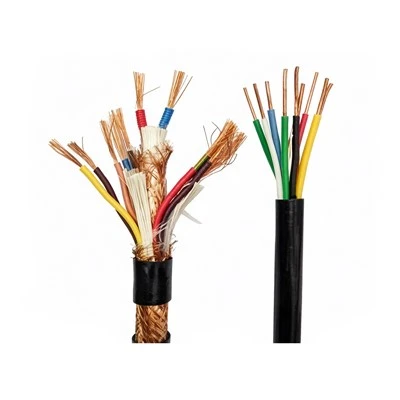
Now, if you’re working on a new build, replacing old cables, or just outfitting your boat, and you want to make sure your flat cables don’t corrode this season, I’m here to help. Whether you need advice on picking the right cable for your specific use (whether it’s running power to your trolling motor, connecting your navigation system, or wiring your livewell), or you want to order bulk quantities for a project, feel free to reach out and chat. I can walk you through the different options, help you figure out what works best for your boat and your budget, and answer any questions you have about installation or maintenance.
Compensating Cables References
- Marine Electrical Systems: Corrosion Prevention and Repair, American Boat and Yacht Council (ABYC) Standards and Technical Information Reports, 2021.
- Corrosion Control in Marine Environments, National Association of Corrosion Engineers (NACE) International, 2019.
- Flat Cable Design and Application for Extreme Environments, International Wire & Cable Symposium Proceedings, 2020.
- "Galvanic Corrosion in Marine Wiring Systems," Journal of Marine Engineering and Technology, Vol. 18, No. 2, 2019, pp. 89-97.
Anhui Yuantong Cable Co., Ltd.
As one of the most professional flat cables manufacturers and suppliers in China, we offer a wide range of cables with superior quality. Please feel free to wholesale bulk customized flat cables from our factory. Also, pricelist is available.
Address: Yongfeng Industrial Park, Tianchang City, Anhui Province
E-mail: ahytcable@126.com
WebSite: https://www.yuantongcable.net/
