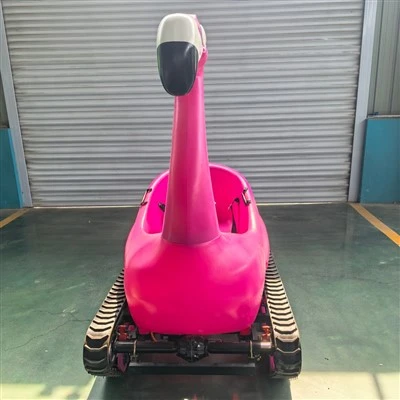
As a provider of All – Terrain Tracked Vehicles, I’ve often found myself diving into the intricate details of these remarkable machines. One of the most fascinating aspects is their load – distribution system. In this blog, I’ll take you on a journey through how this system works, why it’s crucial, and what benefits it brings to the overall performance of our vehicles. All-Terrain Tracked Vehicle
Basics of Load – Distribution in All – Terrain Tracked Vehicles
At its core, the load – distribution system in an All – Terrain Tracked Vehicle is designed to evenly disperse the weight of the vehicle and its payload across the tracks. This is fundamental because these vehicles operate in a wide range of conditions, from soft mud and snow to rocky and uneven terrains. Uneven load distribution would result in several problems, such as excessive wear on certain parts of the tracks, reduced traction in some areas, and decreased stability of the vehicle.
The vehicle’s weight can be divided into two main components: the static load and the dynamic load. The static load is the weight of the vehicle itself, including the chassis, engine, cabin, and any permanently installed equipment. The dynamic load, on the other hand, includes the weight of the passengers, cargo, and any additional forces generated during vehicle operation, like acceleration, braking, and turning.
Components of the Load – Distribution System
Suspension System
The suspension system plays a vital role in load distribution. In our All – Terrain Tracked Vehicles, we use a sophisticated suspension setup that consists of multiple components. Leaf springs, coil springs, or torsion bars are commonly used to absorb shocks and vibrations from the terrain. These springs are connected to the track frames and the vehicle’s chassis. When the vehicle encounters an obstacle, the springs compress and expand, allowing the track to follow the contour of the ground while keeping the load evenly spread.
For example, when a track wheel hits a large rock, the corresponding spring on that side compresses to absorb the impact. This prevents the sudden transfer of a large amount of the load to a single area of the track, which could cause damage or loss of traction. Instead, the load is gradually transferred through the suspension system to other parts of the track, ensuring smooth and stable movement.
Track Design
The design of the tracks themselves is another key factor in load distribution. Our tracks are made up of a series of track shoes that are interconnected. The shape, size, and material of these track shoes are carefully engineered to optimize load distribution.
The width of the tracks is an important consideration. Wider tracks provide a larger contact area with the ground, which helps to distribute the load more evenly. This is particularly beneficial when the vehicle is operating on soft or unstable ground, as it reduces the ground pressure and minimizes the risk of the vehicle sinking. Additionally, the pattern on the track shoes can enhance traction and also contribute to load distribution. A well – designed track pattern can grip the ground effectively while spreading the load across the entire track surface.
Bogie Wheels
Bogie wheels are small wheels that are attached to the track frame. They support the weight of the vehicle and help to distribute the load along the length of the track. In our All – Terrain Tracked Vehicles, we typically use multiple bogie wheels per track. These wheels are arranged in a specific configuration to ensure that the load is evenly spread from the front to the rear of the track.
When the vehicle is moving, the bogie wheels rotate and adjust to the terrain. This helps to maintain a consistent load distribution even when the track is passing over uneven ground. For instance, if the front part of the track encounters a dip, the bogie wheels in that area will adjust their position slightly, allowing the track to conform to the shape of the dip and distribute the load without causing excessive stress on a particular section of the track.
How the Load – Distribution System Responds to Different Terrains
Soft Terrains (Mud and Snow)
On soft terrains, load distribution becomes even more critical. The key goal here is to reduce the ground pressure to prevent the vehicle from sinking. Our load – distribution system achieves this in several ways.
The wide tracks we use increase the contact area with the soft ground, which effectively spreads the load and reduces the pressure per unit area. The suspension system also plays a crucial role. It allows the tracks to conform to the soft and yielding surface, ensuring that the load is evenly distributed across the entire track length. The bogie wheels adjust their position constantly, helping the vehicle to glide over the soft terrain without getting stuck.
For example, in deep snow, the wide tracks displace the snow evenly, minimizing the risk of the vehicle getting buried. The suspension system absorbs the shocks as the tracks compress the snow, and the bogie wheels help to keep the load balanced as the vehicle moves forward.
Rocky and Uneven Terrains
When navigating rocky and uneven terrains, the load – distribution system has to adapt to sudden changes in elevation and surface conditions. The suspension system is the first line of defense. It allows the track wheels to move up and down independently, following the contour of the rocks. This ensures that the load is continuously redistributed as the vehicle encounters different obstacles.
The track design also comes into play. The track shoes are made of a durable material that can withstand the impact of rocks. The pattern on the track shoes provides excellent traction on the rough surface, and at the same time, helps to distribute the load evenly across the track. The bogie wheels work in tandem with the suspension system, providing additional support and stability as the vehicle moves over the rocks.
Benefits of an Effective Load – Distribution System
Enhanced Durability
An effective load – distribution system significantly enhances the durability of our All – Terrain Tracked Vehicles. By evenly spreading the load, it reduces the stress on individual components, such as the tracks, suspension system, and bogie wheels. This means that these parts experience less wear and tear over time, resulting in a longer lifespan for the vehicle.
Improved Traction
Proper load distribution is directly related to improved traction. When the load is evenly spread across the tracks, each part of the track has an equal opportunity to grip the ground. This is especially important in challenging terrains where good traction is essential for safe and efficient operation. Whether it’s climbing a steep slope or turning on a slippery surface, our vehicles with well – designed load – distribution systems can maintain excellent traction.
Better Stability
Stability is crucial for any vehicle, and All – Terrain Tracked Vehicles are no exception. An evenly distributed load helps to keep the vehicle balanced, reducing the risk of tipping over. This is particularly important when the vehicle is carrying heavy cargo or operating on uneven ground. Our load – distribution system ensures that the vehicle remains stable in a wide range of conditions, providing a safe and comfortable ride for the passengers.
Conclusion
As a provider of All – Terrain Tracked Vehicles, I’m proud of the advanced load – distribution systems we have developed. These systems are the result of years of research and development, and they represent the cutting – edge technology in the field.

Our load – distribution systems not only ensure the smooth and efficient operation of our vehicles but also provide long – term benefits in terms of durability, traction, and stability. Whether you’re using our vehicles for military applications, industrial purposes, or outdoor adventures, you can rely on their performance in any terrain.
Bumper Cars If you’re interested in learning more about our All – Terrain Tracked Vehicles or are considering a purchase, we’d be more than happy to have a discussion with you. Simply reach out to initiate a procurement conversation, and our team of experts will be on hand to answer all your questions and guide you through the process.
References
- "Tracked Vehicle Handbook," Military Vehicle Technology Foundation
- "Principles of Mobile Robotics," Arena, Paolo and Siegwart, Roland
- Technical documentation from the All – Terrain Tracked Vehicle manufacturing industry.
Shandong Feiteng Intelligent Technology Co., Ltd.
As one of the most professional all-terrain tracked vehicle manufacturers and suppliers in China, we’re featured by quality products and good price. Please rest assured to buy discount all-terrain tracked vehicle in stock here from our factory. If you have any enquiry about cooperation, please feel free to email us.
Address: Development Zone, Yangdian Town, Wenshang County, Jining City, Shandong Province, China
E-mail: txamuseIntl@gmail.com
WebSite: https://www.tongxingplay.com/
