As a supplier of EPP (Expanded Polypropylene) Shape Molding Machines, I often encounter inquiries from clients about the cooling time of products within our machines. Understanding the cooling time is crucial as it directly impacts production efficiency, product quality, and ultimately, the overall profitability of the manufacturing process. In this blog post, I’ll delve into the factors influencing the cooling time of EPP products in our molding machines, explore why it matters, and how we as a supplier can assist you in optimizing this process. EPP Shape Molding Machine
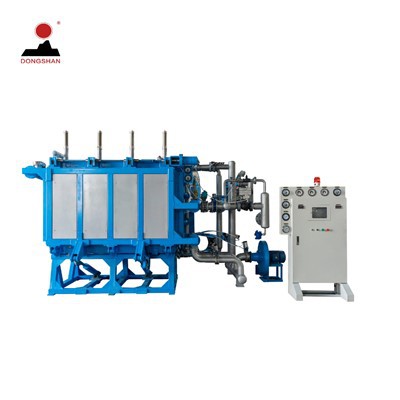
Factors Affecting Cooling Time in EPP Shape Molding Machines
1. Product Design and Geometry
The design and geometry of the EPP product play a significant role in determining the cooling time. Complex shapes with thick sections or intricate internal structures take longer to cool compared to simple, thin – walled products. This is because heat transfer is less efficient in thick areas. For example, a large, solid EPP block will require more time for the internal heat to dissipate to the surface and then out of the product. In contrast, a thin – walled EPP shell can cool much faster as the heat has a shorter distance to travel.
2. Density of the EPP Material
The density of the EPP material used in the molding process also affects the cooling time. Higher – density EPP materials have more mass and therefore more thermal energy to dissipate. They also tend to be more thermally conductive, which can both help and hinder the cooling process. On one hand, better thermal conductivity means that heat can spread more evenly within the material, but on the other hand, it also means that a larger amount of heat needs to be removed. As such, products made from high – density EPP generally require longer cooling times than those made from low – density EPP.
3. Machine Cooling System
The efficiency of the cooling system in our EPP Shape Molding Machines is a critical factor. Our machines are equipped with advanced cooling systems that use methods such as water cooling or air cooling. Water – cooled systems are usually more effective as water has a higher heat capacity than air, allowing it to absorb more heat from the mold and the product. The flow rate, temperature, and distribution of the cooling medium also play important roles. A well – designed cooling system can significantly reduce the cooling time by ensuring that heat is removed quickly and evenly from the mold and the product.
4. Operating Temperature and Pressure
The initial operating temperature and pressure during the molding process can influence the cooling time. Higher temperatures and pressures result in more heat being generated within the mold and the EPP material. As a result, products made under these conditions will take longer to cool. Additionally, if the pressure is not properly released after the molding process, it can trap heat inside the product, further increasing the cooling time.
Why Cooling Time Matters
1. Production Efficiency
The cooling time directly affects the production cycle time. A longer cooling time means that each molding cycle takes more time, reducing the overall number of products that can be produced in a given period. By optimizing the cooling time, we can increase the production output and improve the efficiency of the manufacturing process. This is especially important for large – scale production, where even a small reduction in the cooling time per cycle can result in significant productivity gains.
2. Product Quality
Proper cooling is essential for ensuring the quality of the EPP products. If the product is not cooled evenly or for a sufficient amount of time, it can lead to warping, shrinkage, or internal stresses. Warped products may not fit properly in the intended applications, while shrinkage can cause dimensional inaccuracies. Internal stresses can also weaken the product and make it more prone to damage. By controlling the cooling time, we can ensure that the products are of high quality and meet the required specifications.
3. Energy Consumption
The cooling process in an EPP Shape Molding Machine consumes a significant amount of energy. A longer cooling time means more energy is required to maintain the cooling system. By minimizing the cooling time, we can reduce the energy consumption of the manufacturing process, which not only lowers the production costs but also makes the process more environmentally friendly.
How We Can Help Optimize Cooling Time
As a supplier of EPP Shape Molding Machines, we offer several solutions to help our clients optimize the cooling time of their products:
1. Customized Machine Design
We have the expertise to design EPP Shape Molding Machines that are tailored to the specific needs of our clients. Our engineers can analyze the product design, material requirements, and production volume to customize the cooling system of the machine. This includes selecting the appropriate cooling medium (water or air), designing the cooling channels in the mold for optimal heat transfer, and adjusting the flow rate and temperature of the cooling medium.
2. Process Optimization Services
We provide process optimization services to help our clients fine – tune the operating parameters of the molding process. Our team of experts can assist in determining the optimal temperature, pressure, and cooling time for different types of EPP products. We also offer training sessions to educate our clients’ operators on how to operate the machine efficiently and make the necessary adjustments to the cooling process based on the product requirements.
3. Continuous Research and Development
We are committed to continuous research and development to improve the performance of our EPP Shape Molding Machines. Our R & D team is constantly exploring new technologies and materials to enhance the cooling efficiency of our machines. For example, we are researching the use of advanced cooling materials and techniques to further reduce the cooling time and improve the product quality.
Conclusion
Understanding the cooling time of products in an EPP Shape Molding Machine is essential for achieving high – quality products, improving production efficiency, and reducing energy consumption. As a supplier, we are dedicated to helping our clients optimize the cooling process by offering customized machine designs, process optimization services, and continuous research and development. By working together, we can ensure that your manufacturing process is as efficient and cost – effective as possible.
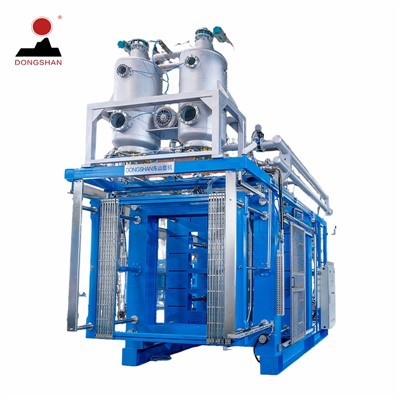
If you are interested in our EPP Shape Molding Machines or need more information about optimizing the cooling time of your EPP products, please feel free to contact us for a consultation. We look forward to discussing your specific needs and helping you achieve your production goals.
EPP Molding Machine References
- "Introduction to Plastics Processing" by D. V. Rosato and D. V. Rosato.
- "Thermal Analysis of Polymer Processing" by C. T. Wu.
- Industry reports on EPP molding technology and manufacturing processes.
Hangzhou Fuyang Dongshan Plastic Machinery Co., Ltd.
Hangzhou Fuyang Dongshan Plastic Machinery Co., Ltd. is one of the most professional EPP molding machine manufacturers and suppliers in China, featured by quality products and low price. Please feel free to wholesale advanced EPP molding machine made in China here and get quotation from our factory. Customized orders are welcome.
Address: 101 Guanting, Baiqian Villige, Luzhu Town, Fuyang District, Hangzhou City, Zhejiang Province, China
E-mail: xu@dong-shan.cn
WebSite: https://www.epseppmachinery.com/
