When it comes to grinders, wear-resistant parts play a crucial role in ensuring their efficient and long – lasting operation. As a supplier of wear – resistant parts for grinders, I’ve witnessed firsthand the significance of these components in a wide range of grinding applications. Износостойкие детали для измельчителей
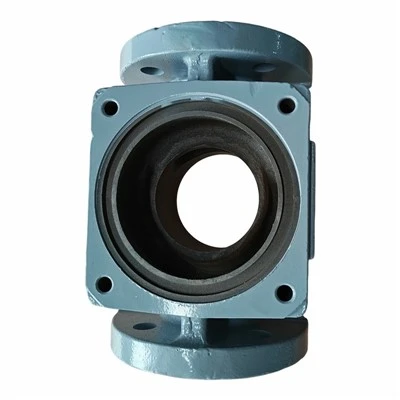
Understanding the Role of Wear – Resistant Parts in Grinders
Grinders are used in various industries, including mining, cement production, food processing, and pharmaceuticals, to reduce the size of materials. The process of grinding involves the breakdown of large particles into smaller ones through mechanical forces, such as impact, compression, and attrition. During this process, the parts of the grinder that come into contact with the material being ground are subject to extreme wear and tear.
Wear – resistant parts are designed to withstand these harsh conditions. They are made from materials that have high hardness, toughness, and resistance to abrasion, corrosion, and impact. By using wear – resistant parts, the life of the grinder can be significantly extended, reducing the frequency of part replacements and downtime.
Common Types of Wear – Resistant Parts for Grinders
Grinding Media
Grinding media are the most visible wear – resistant parts in a grinder. They are the objects that come into direct contact with the material being ground. In ball mills, for example, steel balls or ceramic balls are commonly used as grinding media. These balls are extremely hard and can withstand the high impact forces generated during the grinding process. The size, shape, and material of the grinding media can have a significant impact on the grinding efficiency and the quality of the final product.
In the case of pebble mills, natural or synthetic pebbles made of materials like silica or alumina are used as grinding media. These pebbles are well – suited for applications where contamination of the product by the grinding media is a concern, such as in the production of food or pharmaceutical products.
Liners
Liners are installed on the inner surface of the grinder’s shell to protect it from wear. They also play a role in enhancing the grinding efficiency by providing a better surface for the grinding media to interact with the material. Liners can be made from various materials, including rubber, polyurethane, and high – chrome alloy steel.
Rubber liners are known for their excellent shock absorption and low noise levels. They are suitable for applications where the impact forces are relatively low, such as in some food and chemical grinding processes. Polyurethane liners offer similar benefits to rubber liners but are more resistant to abrasion and have a longer service life. High – chrome alloy steel liners, on the other hand, are extremely hard and can withstand high – impact and high – abrasion conditions, making them ideal for use in large – scale mining and cement grinding operations.
Grinding Wheels
Grinding wheels are another important type of wear – resistant part. They are used in precision grinding operations, such as in the manufacturing of metal parts. Grinding wheels consist of abrasive grains bonded together by a matrix. The abrasive grains can be made from materials like aluminum oxide, silicon carbide, or cubic boron nitride.
The choice of abrasive grain and bonding material depends on the type of material being ground and the required surface finish. For example, aluminum oxide grinding wheels are commonly used for grinding ferrous metals, while silicon carbide wheels are more suitable for grinding non – ferrous metals and ceramics. Cubic boron nitride grinding wheels are extremely hard and are used for grinding hard – to – machine materials, such as hardened steels.
Impact Bars and Hammers
In crushers and impact mills, impact bars and hammers are the wear – resistant parts that are used to break the material by impact. These parts are subjected to high – energy impacts and must be made from materials that can withstand such forces. High – manganese steel is a common material for impact bars and hammers, as it has excellent work – hardening properties. When the part is in operation, the surface of the high – manganese steel hardens under the impact forces, providing better wear resistance.
Materials Used in Wear – Resistant Parts
High – Chrome Alloys
High – chrome alloys are widely used in the production of wear – resistant parts for grinders. These alloys contain a high percentage of chromium, which provides excellent corrosion resistance and hardness. The addition of other elements, such as molybdenum, nickel, and vanadium, can further enhance the mechanical properties of the alloy.
High – chrome alloys are particularly well – suited for applications where the wear is caused by abrasion and corrosion. For example, in the mining industry, high – chrome alloy liners and grinding media are used to withstand the harsh conditions of grinding ores.
Tungsten Carbide
Tungsten carbide is an extremely hard material that is commonly used in cutting tools and wear – resistant parts. It is made by combining tungsten and carbon in a high – temperature process. Tungsten carbide has high hardness, excellent wear resistance, and good thermal conductivity.
In grinders, tungsten carbide is used in applications where high precision and long – lasting performance are required. For example, in the manufacturing of small – scale grinding wheels and precision grinding tools, tungsten carbide inserts can provide superior cutting and grinding performance.
Ceramics
Ceramics are another class of materials used in wear – resistant parts. They have high hardness, low density, and excellent chemical stability. Alumina ceramic is a common choice for grinding media and liners, especially in applications where contamination of the product is a concern. Zirconia ceramic is also used in some high – performance grinding applications due to its superior toughness and wear resistance.
The Importance of Choosing the Right Wear – Resistant Parts
Selecting the appropriate wear – resistant parts for a grinder is essential for achieving optimal performance. The wrong choice of parts can lead to reduced grinding efficiency, increased energy consumption, and premature part failure.
When choosing wear – resistant parts, several factors need to be considered. Firstly, the type of material being ground is a crucial factor. Different materials have different hardness and abrasiveness, which require different types of wear – resistant materials. For example, grinding hard and abrasive minerals like quartz will require more wear – resistant parts than grinding softer materials like wood chips.
Secondly, the operating conditions of the grinder, such as the grinding speed, feed rate, and temperature, also need to be taken into account. High – speed grinding operations may require parts with better heat resistance, while high – feed – rate operations may need parts that can withstand higher impact forces.
Finally, the cost – effectiveness of the wear – resistant parts is also an important consideration. While high – performance wear – resistant parts may have a higher upfront cost, they can result in lower long – term costs due to their longer service life and reduced downtime.
Our Advantage as a Supplier
As a supplier of wear – resistant parts for grinders, we have several advantages. Firstly, we have a team of experienced engineers and technicians who can provide professional advice on the selection of the most suitable wear – resistant parts for different grinding applications. We understand the specific requirements of various industries and can offer customized solutions to meet the needs of our customers.
Secondly, we have a strict quality control system in place. All our wear – resistant parts are manufactured using high – quality materials and advanced production processes. We conduct rigorous testing on each part to ensure that it meets the highest standards of quality and performance.
Thirdly, we offer competitive prices. We have established long – term partnerships with reliable material suppliers, which allows us to source materials at a lower cost. At the same time, our efficient production process and management system help to reduce production costs, enabling us to offer high – quality wear – resistant parts at competitive prices.
Contact Us for Procurement and Negotiation
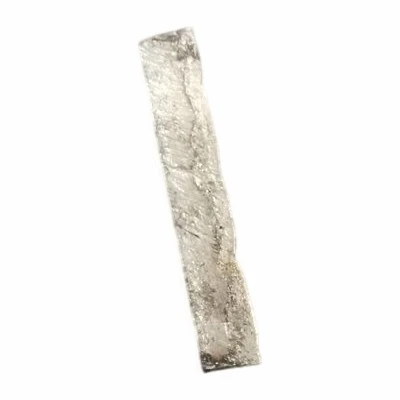
If you are in need of wear – resistant parts for grinders, we would be more than happy to assist you. Whether you are looking for grinding media, liners, grinding wheels, or impact bars, we can provide you with the right solutions. Our team is ready to have in – depth discussions with you about your specific requirements, offer professional advice, and provide detailed product information.
Agriculture Machinery Parts By choosing us as your supplier, you can expect high – quality products, excellent customer service, and competitive prices. Don’t hesitate to contact us to start the procurement and negotiation process. We look forward to building a long – term and mutually beneficial partnership with you.
References
- Kalman, G. J. (Ed.). (2010). Wear – resistant materials for industrial applications. Woodhead Publishing Limited.
- Totten, G. E., & MacKenzie, D. E. (2004). Handbook of industrial heat treating. ASM International.
- King, R. P. (2001). Principles of mineral comminution. Pergamon.
Ningbo Tanxi Import & Export Co., Ltd.
As one of the most professional grinder wear parts manufacturers and suppliers in China, we’re featured by quality products and good service. Please rest assured to buy bulk grinder wear parts at competitive price from our factory. We also accept customized orders.
Address: Suite 801, 258 Tiangao Lane, Yinzhou Southern Business District, Ningbo 315100, P.R. China.
E-mail: andy@tx-drilling.com
WebSite: https://www.tx-wearparts.com/
