Hey there! I’m from a disc brake caliper supply business, and I know how crucial it is for these parts to work properly. A well – functioning disc brake caliper can be the difference between a smooth, safe ride and a dangerous situation. So, let’s dive into how you can test a disc brake caliper to make sure it’s in top shape. Disc Brake Caliper
Visual Inspection
The first step in testing a disc brake caliper is a good old – fashioned visual inspection. You don’t need any fancy tools for this one, just your eyes and a bit of common sense.
Start by looking at the caliper for any signs of physical damage. Check for cracks, dents, or any other visible flaws on the caliper body. Cracks can lead to fluid leaks, which will seriously affect the caliper’s performance. Dents might interfere with the movement of the pistons inside the caliper.
Next, examine the brake pads. They should have an even wear pattern. Uneven wear can indicate that the caliper is not applying pressure evenly. If one side of the brake pad is significantly more worn than the other, it could mean that the piston on that side is sticking or not functioning correctly.
Also, take a look at the brake lines connected to the caliper. Make sure they’re not kinked, frayed, or leaking. A kinked brake line can restrict the flow of brake fluid, while a frayed or leaking line can cause a loss of pressure, making your brakes less effective.
Checking the Piston Movement
The pistons in a disc brake caliper are responsible for pushing the brake pads against the rotor. If they’re not moving freely, your brakes won’t work properly.
To check the piston movement, you’ll need to remove the caliper from the vehicle. This usually involves removing a couple of bolts that hold the caliper in place. Once the caliper is off, you can try to push the pistons back into their bores. You can do this with a C – clamp or a special caliper piston tool.
If the pistons are hard to push back, it could be a sign of a few things. One possibility is that there’s corrosion inside the caliper bore. Over time, moisture can get into the caliper, causing rust and corrosion, which can prevent the pistons from moving smoothly. Another possible cause is a dirt or debris buildup. Small particles can get into the caliper and interfere with the piston’s movement.
If you can’t push the pistons back at all, it’s likely that there’s a more serious problem, like a seized piston. In this case, you might need to replace the caliper.
Pressure Testing
After you’ve done the visual inspection and checked the piston movement, it’s time for pressure testing. This test helps you determine if the caliper is able to maintain the proper amount of pressure when the brakes are applied.
To do a pressure test, you’ll need a brake pressure tester. First, connect the tester to the brake line leading to the caliper. Then, have someone press the brake pedal while you monitor the pressure reading on the tester.
The pressure should build up quickly when the brake pedal is pressed. If the pressure doesn’t build up or drops rapidly, it could indicate a problem with the caliper. A leak in the caliper housing or a faulty seal could be causing the pressure loss.
You can also do a static pressure test. After reaching the proper pressure, hold the brake pedal down for a few seconds. The pressure should remain steady. If it drops, there’s definitely an issue that needs to be addressed.
Caliper Release Test
Another important aspect of testing a disc brake caliper is the release test. Once the brake pedal is released, the caliper should release the pressure on the brake pads, allowing the rotor to spin freely.
To perform this test, start the vehicle and let it idle. Slowly apply the brakes a few times, then release the brake pedal. You should be able to hear the difference in the sound of the wheels as the brakes are applied and released. If you hear a rubbing or scraping noise even after the brake pedal is released, it could mean that the caliper is not releasing properly.
A sticking caliper can cause the brake pads to stay in contact with the rotor, which can lead to excessive wear on the pads and rotor, as well as reduced fuel efficiency. There could be several reasons for a sticking caliper, such as a damaged piston seal, a misaligned caliper bracket, or debris in the caliper slide pins.
Temperature Testing
During normal operation, brakes will generate heat when they’re applied. However, if a caliper is malfunctioning, it can cause excessive heat buildup.
You can use an infrared thermometer to measure the temperature of the caliper and the rotor after a short drive. Compare the temperatures of the calipers on both sides of the vehicle. If one caliper is significantly hotter than the other, it could be a sign of a problem.
Excessive heat can warp the rotor and cause the brake pads to wear out more quickly. It can also affect the performance of the brake fluid, which can lead to a loss of braking power. If you notice a large temperature difference between the calipers, it’s important to investigate the cause and fix it as soon as possible.
Bleeding the Brakes
Even if the caliper seems to be working fine, it’s important to make sure there’s no air in the brake system. Air bubbles in the brake lines can compress, which reduces the effectiveness of the brakes.
To bleed the brakes, you’ll need a brake bleeder kit. First, locate the bleeder valve on the caliper. Then, have someone press the brake pedal slowly while you open the bleeder valve slightly. As the brake pedal is pressed, the air and some brake fluid will come out of the valve. Repeat this process until you no longer see any air bubbles coming out of the bleeder valve.
It’s important to use the correct type of brake fluid when bleeding the brakes. Different vehicles require different types of brake fluid, so make sure you check your vehicle’s owner’s manual.
Conclusion
Testing a disc brake caliper is a multi – step process, but it’s essential for ensuring your safety on the road. By doing a visual inspection, checking the piston movement, pressure testing, release testing, temperature testing, and bleeding the brakes, you can catch any potential problems early and prevent more serious issues down the road.
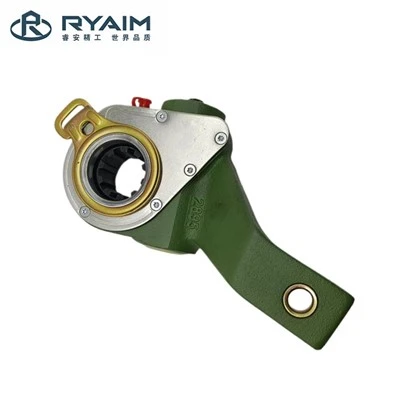
If you’re in the market for high – quality disc brake calipers, we’ve got you covered. Our calipers are made from top – notch materials and are rigorously tested to ensure they meet the highest standards. Whether you’re an auto mechanic or a DIY enthusiast, we have the right caliper for your needs.
Japan Truck Series Automatic Slack Adjuster If you’re interested in purchasing our disc brake calipers or have any questions about our products, don’t hesitate to reach out. We’re here to help you make the right choice for your vehicle.
References
- "Automotive Brake Systems" – A comprehensive guide on brake system components and testing.
- "Brake Handbook" – A well – known resource for understanding brake caliper functions and maintenance.
Zhejiang Ryaim Auto Parts
As one of the most professional disc brake caliper manufacturers and suppliers in China, we’re featured by quality products and good service. Please feel free to wholesale custom made disc brake caliper from our factory. Contact us for more details.
Address: No. 78, Yexiao Road, Yaojiang Town, Zhuji City, Zhejiang Province
E-mail: bd@zjryaim.com
WebSite: https://www.ryaimchina.com/
