Hey there! I’m a supplier of sanitary membranes, and today I wanna chat about the electrical properties of these nifty little things. You might be thinking, "Why on earth would I care about the electrical properties of a sanitary membrane?" Well, stick around, and I’ll tell you. Sanitary Membrane

First off, let’s get a basic understanding of what a sanitary membrane is. It’s a thin, flexible material that’s used in a whole bunch of applications where hygiene is super important. Think food processing, pharmaceutical manufacturing, and even water treatment. These membranes act as a barrier, keeping out unwanted stuff like bacteria, viruses, and other contaminants.
Now, onto the electrical properties. The first one I wanna talk about is surface charge. Sanitary membranes can have a positive, negative, or neutral surface charge. This charge plays a big role in how the membrane interacts with other substances. For example, if a membrane has a negative surface charge, it’ll be attracted to positively charged particles. This is really useful in filtration processes because it allows the membrane to capture and remove certain contaminants more effectively. In food processing, it can help get rid of positively charged microbes, which are often a big concern for food safety.
Another important electrical property is conductivity. Conductivity refers to how well a material can conduct an electric current. In the case of sanitary membranes, conductivity can affect how they perform in certain applications. Some membranes are designed to be highly conductive, which can be useful in processes where electrical signals need to be transmitted. For example, in some advanced water treatment systems, conductive membranes can be used to detect and remove specific contaminants based on their electrical properties. On the other hand, some applications require low – conductivity membranes to prevent interference with electrical processes.
Dielectric constant is also a key electrical property. It’s a measure of how much a material can store electrical energy when an electric field is applied. A high dielectric constant means the membrane can store more electrical energy. This property can influence the membrane’s performance in applications where it comes into contact with electric fields. For instance, in some pharmaceutical manufacturing processes, membranes with specific dielectric constants are used to separate and purify different chemical compounds.
Now, you might be wondering how we control these electrical properties during the manufacturing of sanitary membranes. Well, it’s a bit of a science. We use different raw materials and manufacturing techniques to tweak the surface charge, conductivity, and dielectric constant. For example, we can add certain chemicals to the membrane material to change its surface charge. These chemicals can either donate or accept electrons, altering the overall charge of the membrane surface. When it comes to conductivity, we can choose materials with different levels of electrical conductivity or add conductive fillers to the membrane matrix.
The choice of electrical properties for a sanitary membrane depends on the specific application. In the food industry, membranes with a negative surface charge are often preferred because many food – borne pathogens have a positive charge. This makes it easier to trap and remove them from the food product. In water treatment, the conductivity and dielectric constant of the membrane can be adjusted to target specific contaminants. For example, if we’re trying to remove heavy metals from water, a membrane with a specific surface charge and conductivity can be designed to attract and capture those metals.
Let’s talk about the impact of these electrical properties on membrane performance. A membrane with the right surface charge can have a much higher filtration efficiency. It can attract and hold onto contaminants more effectively, reducing the amount of unwanted substances that pass through the membrane. This means better quality products in industries like food and pharmaceuticals. In terms of durability, the electrical properties can also play a role. For example, a membrane with a stable surface charge is less likely to get fouled by certain contaminants. Fouling can reduce the membrane’s performance over time, so having a membrane that resists fouling is a big plus.
Now, I know all this technical stuff might seem a bit overwhelming, but it’s really important when it comes to choosing the right sanitary membrane for your needs. As a supplier, I’ve seen firsthand how the electrical properties can make or break a project. That’s why we offer a wide range of sanitary membranes with different electrical properties. Whether you need a membrane with a strong positive surface charge for a specific filtration task or a low – conductivity membrane for an electrical process, we’ve got you covered.
If you’re in the market for sanitary membranes, it’s crucial to understand your application requirements. Think about the types of contaminants you need to remove, the electrical environment the membrane will be operating in, and the performance standards you need to meet. Once you have a clear idea of these things, you can make a more informed decision about which membrane is right for you.
We’re always here to help. Our team of experts is ready to answer any questions you might have about the electrical properties of our sanitary membranes or any other aspect of membrane selection. We can work with you to find the perfect solution for your specific needs. Whether you’re a small – scale food producer or a large – scale pharmaceutical manufacturer, we’ve got the resources and expertise to support you.
So, if you’re interested in learning more about our sanitary membranes and how their electrical properties can benefit your business, don’t hesitate to reach out. Let’s have a chat and see how we can work together to meet your hygiene and filtration needs. Whether you need a few samples to test out or a large – scale order, we’re here to make the process as smooth as possible.
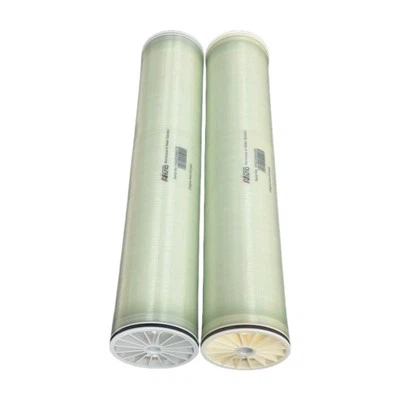
In conclusion, the electrical properties of sanitary membranes are a crucial aspect of their performance and functionality. From surface charge to conductivity and dielectric constant, these properties can have a significant impact on how well the membrane works in different applications. As a supplier, we’re committed to providing high – quality membranes with the right electrical properties to meet your specific requirements. So, if you’re looking for a reliable source of sanitary membranes, give us a shout and let’s start the conversation.
Containerized Water Treatment System References:
- "Membrane Technology and Applications" by Richard W. Baker
- "Handbook of Membrane Separations: Chemical, Pharmaceutical, Food, and Biotechnological Applications" edited by A. G. Fane and S. Matsuura
Hangzhou Nanoimp Environmental Technology Co., Ltd.
With abundant experience, we are one of the most professional sanitary membrane manufacturers and suppliers in China. Welcome to wholesale high quality sanitary membrane in stock here and get pricelist from our factory. We also accept customized orders.
Address: Road 25, Baiyang Street, Qiantang District, Hangzhou City, Zhejiang Province
E-mail: keith.wang@nano-sepmer.com
WebSite: https://www.nanoimp-membrane.com/
