As a supplier of threaded valves, I’ve witnessed firsthand the importance of understanding domestic standards in the valve industry. Threaded valves are a crucial component in various piping systems, and adhering to the right standards ensures their safety, reliability, and performance. In this blog, I’ll delve into the domestic standards for threaded valves, providing insights that are essential for both industry professionals and potential customers. Threaded Valve
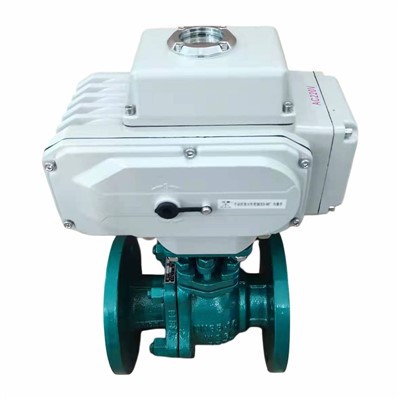
Understanding Threaded Valves
Before we dive into the standards, let’s briefly understand what threaded valves are. Threaded valves are valves that are connected to the piping system using threads. This type of connection is popular due to its simplicity, ease of installation, and cost – effectiveness. They are widely used in residential, commercial, and industrial applications, from plumbing systems in homes to complex industrial processes.
The Role of Domestic Standards
Domestic standards for threaded valves serve multiple purposes. Firstly, they ensure the safety of the end – users. By setting guidelines on materials, pressure ratings, and manufacturing processes, these standards minimize the risk of valve failure, which could lead to leaks, explosions, or other hazardous situations. Secondly, they promote interoperability. When all threaded valves in a region adhere to the same standards, it becomes easier to replace or install valves in existing systems. Finally, standards help in quality control. Manufacturers can use these standards as a benchmark to ensure that their products meet the required level of quality.
Key Domestic Standards in Different Regions
United States
In the United States, the American National Standards Institute (ANSI) and the American Society of Mechanical Engineers (ASME) play a significant role in setting standards for threaded valves.
- ANSI/ASME B16.11: This standard covers forged fittings, including threaded valves. It specifies the dimensions, materials, and pressure – temperature ratings for these valves. For example, it defines the nominal pipe sizes, wall thicknesses, and the type of threads used. The threads are typically NPT (National Pipe Tapered) threads, which are designed to create a tight seal when screwed together.
- ASME B31.1 and B31.3: These are codes for power piping and process piping respectively. They provide guidelines on the design, installation, and inspection of piping systems, including the use of threaded valves. These codes ensure that the valves are suitable for the specific application, taking into account factors such as fluid type, pressure, and temperature.
Europe
In Europe, the European Committee for Standardization (CEN) is responsible for setting standards for threaded valves.
- EN 10226 – 1: This standard deals with pipe threads where pressure – tight joints are made on the threads. It specifies the dimensions, tolerances, and marking of metric parallel and taper pipe threads. Many European threaded valves use these metric threads, which are different from the NPT threads used in the United States.
- EN 12516 – 1 and EN 12516 – 2: These standards cover the design and manufacturing requirements for steel valves. They define the pressure – temperature ratings, materials, and testing procedures for threaded valves. For example, they specify the minimum yield strength and tensile strength of the materials used in valve construction.
China
In China, the National Standardization Administration of China (SAC) sets the standards for threaded valves.
- GB/T 12224: This standard is similar to the ASME standards in the United States. It specifies the design parameters, pressure – temperature ratings, and inspection requirements for valves. It also provides guidelines on the selection of materials based on the application, such as the use of different grades of stainless steel for different corrosive environments.
- GB/T 7306: This standard covers the thread dimensions and tolerances for pipe threads. It is comparable to the ANSI/ASME B1.20.1 standard in the United States, ensuring that the threads on the valves are of the correct size and shape for a proper connection.
Material Standards
The materials used in threaded valves are also subject to strict domestic standards. Different applications require different materials to ensure the valve’s durability and performance.
- Cast Iron: In many domestic applications, cast iron is a popular choice for threaded valves. Standards specify the chemical composition and mechanical properties of cast iron. For example, in the United States, ASTM A126 is a common standard for cast iron valves. It defines the grades of cast iron based on their strength and corrosion resistance.
- Stainless Steel: Stainless steel is widely used in applications where corrosion resistance is crucial, such as in the food and beverage industry or in marine environments. Standards like ASTM A351 for cast stainless steel valves and ASTM A182 for forged stainless steel valves set the requirements for the chemical composition, heat treatment, and mechanical properties of stainless steel.
- Brass: Brass is another commonly used material for threaded valves, especially in plumbing applications. Standards such as ASTM B584 for brass castings and ASTM B16 for brass rod and bar specify the composition and properties of brass.
Testing and Certification
Domestic standards also include testing and certification procedures to ensure that threaded valves meet the required quality and safety levels.
- Pressure Testing: Valves are typically subjected to pressure tests to check for leaks and ensure their ability to withstand the specified pressure. For example, the hydrostatic test is a common method where the valve is filled with water and pressurized to a certain level for a specified period. Standards define the test pressure, duration, and acceptable leakage rates.
- Material Testing: Material testing is also carried out to verify the chemical composition and mechanical properties of the valve materials. This may include tests such as tensile testing, hardness testing, and chemical analysis.
- Certification: Once a valve passes all the required tests, it can be certified according to the relevant domestic standards. This certification provides assurance to the customers that the valve meets the necessary quality and safety requirements.
Why Choose Our Threaded Valves
As a threaded valve supplier, we take great pride in ensuring that our products meet the highest domestic standards. We source our materials from reputable suppliers and follow strict manufacturing processes to ensure the quality of our valves. Our valves are tested thoroughly according to the relevant standards before they are shipped to our customers.
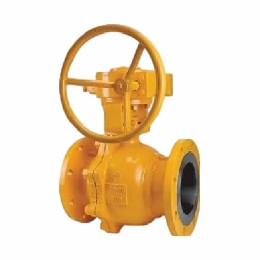
Whether you are in the United States, Europe, China, or any other region, our threaded valves are designed to comply with the local standards. This means that you can be confident in the safety, reliability, and performance of our products. We offer a wide range of threaded valves, including ball valves, gate valves, and check valves, to meet the diverse needs of our customers.
T-type Filter If you are in the market for high – quality threaded valves, we invite you to contact us for a procurement discussion. Our team of experts is ready to assist you in selecting the right valves for your specific application. We can provide detailed product information, pricing, and technical support to ensure that you make an informed decision.
References
- American National Standards Institute (ANSI) and American Society of Mechanical Engineers (ASME) standards (ANSI/ASME B16.11, ASME B31.1, ASME B31.3)
- European Committee for Standardization (CEN) standards (EN 10226 – 1, EN 12516 – 1, EN 12516 – 2)
- National Standardization Administration of China (SAC) standards (GB/T 12224, GB/T 7306)
- ASTM standards (ASTM A126, ASTM A351, ASTM A182, ASTM B584, ASTM B16)
Xiongxiang Valve Group Co., Ltd.
As one of the most professional threaded valve manufacturers and suppliers in China, we’re featured by quality products and good price. Please rest assured to wholesale cheap threaded valve for sale here from our factory. Contact us for more details.
Address: Building 1, No.306, 12th Binhai Road, Jinkai District, Wenzhou City, Zhejiang Province, China
E-mail: info@xiongxiangvalve.com.cn
WebSite: https://www.steelvalvegroup.com/
