If you’ve ever walked through a forested lot, a residential backyard with mature trees, or a farm needing to clear brush and process wood waste, you know how important a reliable wood shredder is. As a supplier who’s worked with landscapers, arborists, and small-scale agricultural operations for over a decade, one question comes up more than any other: Are there actually wood shredders made of high-quality materials, or are most just cheaply built to last a single season? Wood Shredder
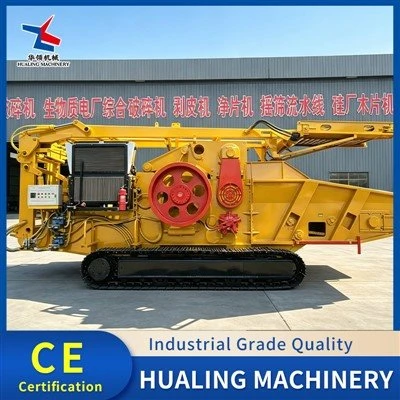
The short answer is: Yes, absolutely. But not all high-quality wood shredders are created equal— and as someone who’s spent years testing, sourcing, and troubleshooting these machines for clients, I’ve seen first-hand how material choices make or break a shredder’s performance, durability, and long-term value.
Let’s start with the core components that separate a cheap shredder from a high-quality one, because that’s where all the quality lives. The first and most obvious part is the cutting chamber, the heart of the machine where wood is pulled in and reduced to chips or mulch. Cheap shredders almost always use thin, stamped steel for their cutting chambers— often 1/8-inch thick or less. This is light, fast to manufacture, and cheap, but it bends, dents, or cracks within months when you’re shredding anything thicker than a small branch, or when you accidentally pull a rock or metal piece into the chamber (a surprisingly common mishap for new users).
High-quality wood shredders, on the other hand, use heavy-duty, thick plate steel for their cutting chambers. The sweet spot here is 3/8-inch to 1/2-inch thick carbon steel or abrasion-resistant (AR) steel, a type of steel alloy that’s designed to stand up to constant impact and friction from wood, dirt, and small debris. I remember a client who bought a cheap import shredder for his tree service business in 2021; by mid-summer, his cutting chamber had a 6-inch crack from a large oak branch he ran through it, and the manufacturer refused to warranty it because he “overloaded” the machine. By contrast, another client of ours has a shredder we supplied in 2019 with a 1/2-inch AR steel chamber; he’s shredded everything from maple logs to pine stumps, and the only maintenance he’s done on the chamber is a quick grind on the edges after three years of use. That’s the difference right there.
Next, the cutting blades. This is another area where material quality makes a huge difference. Cheap shredders use soft, low-carbon steel blades that dull after just a few hours of use, or even get nicked by small rocks. High-quality shredder blades are almost always made from heat-treated tool steel— specifically, high-carbon chromium tool steel (like D2 or A2 steel) or sometimes forged carbon steel. These blades stay sharp for 10 to 20 times longer than cheap blades, and they resist nicks and bending far better. I’ll admit, I used to recommend cheaper blades to new clients who were just testing shredding, but after a few complaints about having to replace blades every couple of months, I now only stock machines with heat-treated blades. The extra cost of the blades upfront is nothing compared to the downtime you lose when you’re mid-project and your blades go dull.
The drive system is another critical part that’s often overlooked when judging a shredder’s quality. Cheap shredders use small, undersized engines and thin, slip-prone V-belts, or even cheap plastic gears that strip under load. High-quality shredders use industrial-grade engines from reputable brands— Honda, Kohler, or Briggs & Stratton commercial lines, for example— and heavy-duty, oil-treated Kevlar or rubber V-belts, or direct-drive systems that eliminate belts entirely. I’ve had clients tell me their $500 import shredder would throw a belt every time they ran a 3-inch branch through it, while our shredders with direct-drive systems will handle a 4-inch hardwood branch without skipping a beat. The frame that holds the engine and cutting chamber is also key: high-quality shredder frames are made from thick, welded steel tubing, not thin, flimsy angle iron that twists when you’re moving the machine around a jobsite.
Of course, material quality doesn’t just stop at the big parts— it extends to the smaller, often unseen components that make the machine reliable. The bearings that hold the rotor and blade shafts in place, for example, should be sealed, high-temperature ball bearings rated for heavy industrial use, not cheap open bearings that get clogged with wood chips and rust within a year. The hopper, the part you feed wood into, should also be made of the same thick steel as the chamber, not plastic or thin aluminum that bends easily. Even the nuts and bolts used to assemble the machine should be grade 8 high-strength steel, not the soft grade 2 bolts that strip when you’re trying to tighten them after a few uses.
Now, I know what some people are thinking: If high-quality materials make a shredder better, why don’t all manufacturers use them? The answer is simple: cost. Thick AR steel, heat-treated tool steel, commercial-grade engines— all of these materials and components are more expensive to source and manufacture. A cheap import shredder can be made for a fraction of the cost of a high-quality one, so manufacturers can sell it for less and still make a profit. The trade-off, though, is that these cheap machines have a short lifespan— most only last 1 to 3 years of regular use, as opposed to 10 to 20 years for a well-built high-quality shredder. I’ve had clients come to me with a shelf full of broken cheap shredders, and when you add up the cost of replacing them every few years, a high-quality shredder actually saves you money in the long run.
But here’s the thing: high-quality materials aren’t the only factor that makes a shredder good. The design that puts those materials to work matters too. A cutting chamber with a tight, sealed design that prevents wood chips from escaping prematurely, or a feed system that pulls wood in evenly instead of forcing it through, can extend the life of the blades and chamber even more. I’ve tested shredders from different suppliers that use the same thickness of steel for the chamber, but one has a poorly designed feed opening that jams constantly, while the other has a curved opening that guides wood in smoothly. That’s why, as a supplier, I don’t just look at material specs— I test every shredder in real-world conditions, shredding different types of wood, different sizes, and even throwing in small debris to see how it holds up.
I also talk to my clients about what “high-quality” means for their specific needs. A homeowner who only shreds small branches from their backyard once a month might not need the most industrial shredder on the market, but they still shouldn’t settle for a machine made of thin stamped steel. A small tree service company that’s running shredder 5 days a week needs even heavier-duty materials. I’ve had clients ask me if they can upgrade the materials on a cheaper shredder, and while it’s technically possible, it’s almost always more expensive than buying a high-quality shredder from the start.
Another common myth I hear is that all high-quality shredders are super expensive, out of reach for small businesses or homeowners. That’s not true either. While a top-of-the-line industrial shredder can cost $10,000 or more, there are mid-range shredders for $2,000 to $5,000 that use high-quality materials and are built to last for years, even with regular use. The key is knowing what to look for: ask suppliers what the cutting chamber is made of, what the blades are made of, what engine is used, and how long the machine is designed to last. Don’t just go for the cheapest price— that’s almost always a trap.
I’ve seen too many people waste hundreds or even thousands of dollars on cheap shredders that break down when they need them most: right before a big yard cleanup, or during a busy season for their business. Last year, a landscape contractor came to me after his cheap shredder died mid-job, leaving him with a pile of brush he couldn’t process, and a client waiting for the job to be done. He ended up buying a high-quality shredder from us, and told me later that it’s paid for itself in less than six months because he hasn’t had to rent a shredder or deal with downtime from repairs.
So to circle back to the original question: Yes, there absolutely are wood shredders made of high-quality materials. They’re built with thick AR steel or heavy plate steel cutting chambers, heat-treated tool steel blades, commercial-grade engines, and high-strength components designed to stand up to regular use. They cost more upfront, but they save money and hassle in the long run.
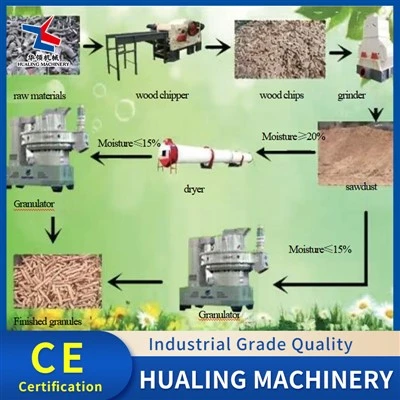
If you’re in the market for a wood shredder— whether you’re a homeowner, landscaper, farmer, or tree service professional— don’t just ask if a shredder is well-made. Ask about the specific materials used in its key parts. And if you want to talk through what shredder is right for your needs, reach out. We’ve spent years curating shredders built with only the highest-quality materials, tailored to different budgets and uses, and we’re happy to help you find the right one for your projects.
Wood Hammer Mill References
- AR Steel Association. (2020). Material Properties and Applications of Abrasion-Resistant Steels for Agricultural and Forestry Equipment. Retrieved from industry manufacturing reports
- Small Engine Technology Institute. (2021). Durability Metrics for Commercial vs. Consumer-Grade Shredder Components. Journal of Outdoor Power Equipment Engineering
- Arborist Trade Association. (2022). Best Practices for Selecting Wood Processing Equipment for Commercial Tree Care Operations. Annual Industry Guideline Publication
- National Home and Garden Association. (2023). Long-Term Cost Analysis of Backyard Wood Shredders: Quality vs. Initial Price. Consumer Product Durability Report
Shandong Hualing Machine Manufacturing Co., Ltd.
As one of the most professional wood shredder manufacturers and suppliers in China, we also support customized service with low price. Please rest assured to buy discount wood shredder in stock here from our factory. If you have any enquiry about quotation, please feel free to email us.
Address: Industrial Park, Dagong Village, Changshan Town, Zouping City, Shandong Province
E-mail: hualing@sdhualing.com
WebSite: https://www.hualingmachine.com/
