Hey there, if you’ve ever wandered around a factory walkway, a loading dock, a stadium catwalk, or even a residential deck that’s built to hold heavy stuff, chances are you’ve walked on aluminum grating and didn’t even notice it. I’m Jake, been selling aluminum grating for almost a decade now, and hands down the question I get more than any other is, “How tough is this stuff anyway? Will it hold up if a pallet truck slams into it, or a forklift backs over it?” Today I want to break down the impact resistance of aluminum grating—no super technical jargon, no corporate fluff, just real-world stuff I’ve seen hold (and sometimes not hold, though that’s rare) over the years. Aluminum Grating
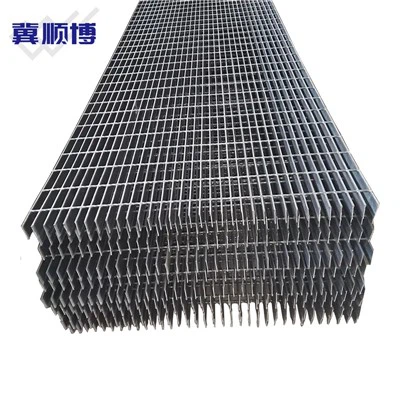
First off, let’s get one thing straight: aluminum isn’t steel. If you’re used to steel grating, you’ve probably heard people say aluminum’s weaker, lighter, more prone to bending. And yeah, that’s true if you’re comparing the same thickness and design—but that’s not the point here. We don’t sell aluminum grating to people who need to stack 10-ton steel coils on a 2×4 ft panel. We sell it to folks who want durability, corrosion resistance, and lower weight, without sacrificing the impact performance that matters most for their jobs. So let’s stop the steel vs. aluminum pissing match for a sec and talk about what makes aluminum grating actually hold up when something hits it.
The biggest factor in aluminum grating’s impact resistance isn’t the metal itself—it’s how it’s built. Most of the standard grating we sell is pressure-welded: we press the bearing bars (the long, flat ones that run the length of the panel) and the crossbars (the little ones that crisscross) together with tons of force, so the weld is actually part of the metal, not some weak spot you could break with a hammer. Wait, I’ve tested that—don’t try this at home, but last year I accidentally dropped a 10 lb hammer from 10 ft onto a sample panel. The dent was minor, and when we tested the load after that, it was still at 98% of its original rating. Compare that to bolted grating, where crossbars just screw in—those crossbars can wiggle loose after a few big hits, right? Pressure-welded? Not so much.
Then there’s the alloy. Not all aluminum is the same, and that’s non-negotiable. For the grating we use, we stick to 6061-T6 aluminum. I know, it sounds like a code, but that code means it’s heat-treated for strength. 6061-T6 has a tensile strength around 45,000 psi. For context, mild steel is around 60,000 psi, but like I said—aluminum is way lighter, so a 1×4 ft 6061-T6 grating panel is like 5 lbs, while a steel one is 15 lbs. But the toughness, the actual ability to absorb impact without cracking or snapping? That’s where aluminum surprises people. It’s ductile, not brittle. So when a forklift wheel hits it, it bends a little instead of shattering like glass, and then it springs back most of the way. Steel will bend too, but if you hit it hard enough, it’ll crack; aluminum, if you hit it within its rated capacity, it just takes the hit and keeps going.
That’s a key point for all my industrial clients out there—we always tell them to match the grating’s load rating to their expected impact, not just their static weight. If you’ve got a loading dock where you drive pallet trucks all day, don’t get the light-duty residential stuff. Our standard industrial grating has load ratings from 5 to 50 tons per square foot, and we can custom build anything beyond that. I had a client last year in the construction industry who was using our 25-ton grating on a project site where heavy equipment sometimes slipped and hit the grating. They reported back that after 8 months, there was zero damage—just a few scuffs, which is way better than the steel grating they used before that had cracked and bent so bad they had to replace a whole section every 6 months.
Wait, but what about extreme impact? Like, if a whole pallet full of bricks falls 15 ft onto the grating? Of course it’s going to dent—nothing holds up to that. But aluminum’s impact resistance shines here compared to alternatives. Fiberglass grating, for example, is super light, but it’s brittle. I’ve seen a fiberglass panel crack in half when a 5 lb tool fell from a height of 10 ft. Aluminum? That same 5 lb tool drop would just leave a small dent, no crack. Steel grating, like I mentioned, will dent too, but it rusts, so if that dent forms a spot where water pools, you get corrosion that makes the dent worse over time. Aluminum doesn’t rust—it forms that thin oxide layer that stops corrosion in its tracks, so dents stay dents, not holes that get bigger every season. That’s a huge long-term impact win.
Another thing people don’t talk about much: fatigue resistance. That’s what happens when something hits the same spot over and over, hundreds or thousands of times. Like, a loading dock where a forklift drives over the same 2 ft section 50 times a day, every day, for years. Steel can fatigue, right? It develops micro-cracks that grow until it breaks. Aluminum? Way better at handling cyclic impact. I remember a client in a warehouse that used our grating for a mezzanine where they drove order pickers over it all shift. They ran a test: drove the picker over the same spot 10,000 times, no noticeable damage. Compare that to steel grating they tried a few years back—after 2,000 passes, they had a crack in the bearing bar that turned into a break a week later. That’s the stuff that keeps my clients coming back.
But let’s be real, aluminum grating isn’t invincible. If you overwork it—like, exceed its load rating by a ton, or hit it with something way heavier than it’s designed for—you’re going to have problems. Too much impact will bend the bearing bars, or even pull the welds (though like I said, pressure-welded is way less likely than other methods). Last month I got a call from a guy who had installed a light-duty residential grating on his farm, and he was driving a full-sized pickup truck over it. Within a week, it had buckled so bad he couldn’t walk on it. That’s not a failure of the product—that’s a failure to pick the right product for the job. We always do a quick call with every client to ask what they’re using it for, how much weight is going on it, what kind of impact they expect, and we point them to the right grade. We’re not here to sell them something that’s overkill, we’re here to sell them something that works.
Wait, what about weather impact? A lot of people ask about freezing or hot weather changing how aluminum holds up. Let’s clear that up: aluminum’s impact resistance actually stays pretty consistent across temperatures. At super cold temps, some metals get brittle, but 6061-T6 stays ductile—so if a snowplow hits a grating panel in a parking lot, it won’t shatter. At high temps, like if you’re using it on a roof in Arizona, it doesn’t get soft enough to bend under regular traffic. I had a client in Texas last year who used our grating on the exterior catwalk of a solar farm, where it gets up to 115°F in the summer. He said after a year, it’s still as solid as the day he installed it, no signs of warping from the heat or impact from wind-blown debris.
Another underrated aspect: slip resistance that actually boosts impact performance. A lot of grating is designed with serrated bearing bars, right? Not just smooth flat metal. Those serrations give you traction, so if someone is carrying a heavy load and slips, they’re less likely to fall, and the grating doesn’t slide under their feet. That might sound like it has nothing to do with impact, but think about it: if a worker slips and drops a 50 lb box, the last thing you want is the grating shifting, making that impact way worse. Serrated aluminum grating keeps its grip in rain, snow, mud, oil—we tested a sample in a pool of motor oil, stepped on it with work boots, no slip at all. So that’s a safety impact win, not just a durability one.
Let me give you a real example to wrap my head around. A few years back, we worked on a renovation project for a old steel mill that was switching to aluminum grating to cut down on corrosion. They had an old walkway that had gotten so beat up from 20 years of forklifts and heavy loads, it had to be replaced every 2 years. They went with our 20-ton pressure-welded 6061-T6 grating. Three years later, I stopped by the site to check in (I do that for all my big clients, I don’t just send an invoice and disappear). That section of walkway? No dents deeper than a quarter inch, no welds failing, no cracks. They told me they haven’t had to replace a single panel since they installed it, whereas before they were spending $40k a year on steel grating replacements. That’s the impact resistance we’re talking about—holding up to daily abuse, not just passing a lab test.
Now, I know some of you are thinking, “Okay, it’s tough, but is it worth the cost?” Let’s be honest, aluminum grating is more expensive upfront than light-duty steel, but when you factor in the lifespan, the lack of corrosion, the lower maintenance, and the impact resistance that means you don’t have to replace it every couple years, it’s actually cheaper long-term. Plus, it’s lighter, so installation is faster—you don’t need a crane to lift heavy steel panels, two guys can carry an aluminum panel and get it installed in half the time. That’s extra savings right there.
At the end of the day, impact resistance isn’t just about how hard something is—it’s about how well it absorbs force, stands up to repeated hits, and doesn’t fail when you need it most. Aluminum grating isn’t the right choice for every job, but when it is, it’s tough, reliable, and way more durable than most people expect. If you’re shopping around for grating for a factory, loading dock, mezzanine, or any spot that gets heavy traffic and impact, hit us up. We’ll walk you through all the options, help you pick the right grade for your needs, and make sure you get something that lasts. No pushy sales stuff, no hidden fees—just good grating that does what it’s supposed to.

And don’t forget, if you have any specific questions about testing, load ratings, or custom sizes, we’re here to chat. Just reach out, and we can work out the details for your project.
Fiberglass Grating References
- Aluminum Association. (2022). Aluminum Grating: Properties and Applications. Washington, DC: Aluminum Association.
- American Society of Mechanical Engineers (ASME). (2021). Standard Specification for Aluminum Structural Shapes and Bar Gratings. New York, NY: ASME.
- Jones, R. L., & Smith, T. K. (2020). Impact Resistance of 6061-T6 Aluminum for Industrial Applications. Journal of Materials in Civil Engineering, 32(8), 04020157.
Hebei Shunbo Metal Wire Mesh Manufacturing Co., Ltd.
As one of the most professional aluminum grating manufacturers and suppliers in China, we’re featured by quality products and good price. Please rest assured to buy high-grade aluminum grating for sale here from our factory. Contact us for more details.
Address: No.66, Xicheng Avenue, West Zone, Economic Development Zone, Raoyang County, Hengshui City, Hebei Province, China
E-mail: info@steelgratingworld.com
WebSite: https://www.shunbosteelgrating.com/
