Hey there! I’m a supplier of disposable coveralls, and I often get asked, "Do disposable coveralls protect against asbestos?" It’s a crucial question, especially considering the serious health risks associated with asbestos exposure. In this blog, I’m gonna break down the facts and give you a clear answer. Disposable Coveralls

First off, let’s talk about asbestos. Asbestos is a group of naturally occurring minerals that were once widely used in construction and other industries because of their heat – resistance, strength, and insulating properties. But here’s the deal: when asbestos fibers are released into the air and inhaled, they can cause serious health problems, including lung cancer, mesothelioma, and asbestosis. These diseases often take years or even decades to develop, but once they do, they can be fatal.
Now, let’s get to the main question: can disposable coveralls protect against asbestos? The short answer is, they can offer some level of protection, but it depends on a few factors.
Disposable coveralls are made from different types of materials, and not all materials are created equal when it comes to asbestos protection. The most important thing is the fabric’s ability to prevent asbestos fibers from getting through to your skin and clothing. High – quality disposable coveralls, usually made from non – woven materials like polypropylene, can be effective in blocking loose asbestos fibers. These materials have a fine structure that can trap small particles, reducing the risk of asbestos coming into contact with your body.
However, it’s important to note that disposable coveralls are not a standalone solution for asbestos protection. They are just one part of a comprehensive safety program. You can’t just throw on a pair of coveralls and think you’re completely safe. There are other things you need to consider, such as respiratory protection. Even if the coveralls keep asbestos fibers off your body, you can still inhale them. That’s why it’s essential to wear a proper respirator when working in an environment with asbestos.
Another factor to think about is the fit of the coveralls. If the coveralls are too big or too loose, there are more gaps for asbestos fibers to sneak in. You want a snug fit that covers your entire body, from your neck down to your ankles. Some coveralls even come with elastic cuffs and waistbands to help keep them in place. And make sure all the seams are well – sealed. A single tear or hole in the coveralls can compromise their effectiveness.
Also, how you use and dispose of the coveralls matters a lot. Once you’re done using them in an asbestos – containing area, you should remove them carefully to avoid shaking off any trapped asbestos fibers. Dispose of them properly according to local regulations. Don’t just leave them lying around or reuse them, as this can spread asbestos to other areas and put more people at risk.
Let me share some examples from real – world situations. I’ve had customers who work in asbestos abatement projects. They know that disposable coveralls are an important part of their safety gear. But they also tell me that they follow strict safety protocols. They make sure to do pre – job checks on their coveralls to ensure there are no defects. And during the job, they’re always on the lookout for any signs of damage to the coveralls.
On the flip side, I’ve also heard about cases where people didn’t take proper precautions. They might have worn old or damaged coveralls, or they didn’t wear the right respirator. These situations often end up in unnecessary asbestos exposure.
Now, I know what you might be thinking. "If disposable coveralls aren’t a perfect solution, why should I bother?" Well, here’s the thing. Even if they don’t provide complete protection, they still significantly reduce your risk of direct contact with asbestos. And in a high – risk environment, every little bit of protection counts.
As a disposable coveralls supplier, I understand the importance of providing high – quality products. We test our coveralls to make sure they meet industry standards for particle filtration. We also offer different styles and sizes to ensure a good fit for everyone.
If you’re involved in any work that might expose you to asbestos, I highly recommend investing in good disposable coveralls. But remember, they’re just one piece of the puzzle. Make sure you have a full safety plan in place. That includes proper training, using the right respirators, and following all safety regulations.
So, if you’re looking for reliable disposable coveralls that can give you that extra layer of protection against asbestos, I’m here to help. We’ve got a wide range of options to suit your needs. Whether you’re a small independent contractor or a large construction company, we can provide the coveralls you require.
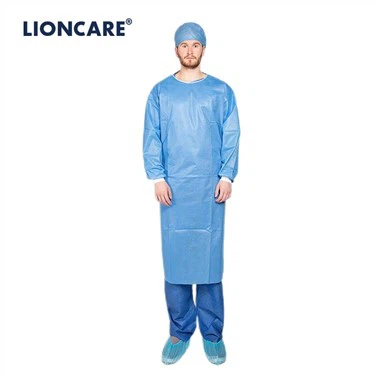
Don’t hesitate to reach out to me if you want to discuss your specific requirements. I can give you more detailed information about our products and help you choose the best coveralls for your situation. Let’s work together to keep you safe from the dangers of asbestos.
Boot Covers References:
- "Asbestos: Health Effects" by the World Health Organization
- "Occupational Safety and Health Administration (OSHA) Guidelines for Asbestos Exposure"
Hubei Lioncare Protective Products Co., Ltd.
Hubei Lioncare Protective Products Co., Ltd. is one of the leading disposable coveralls manufacturers and suppliers in China. We warmly welcome you to buy or wholesale high-end disposable coveralls for sale here from our factory. All single-use personal protective products are with high quality and competitive price.
Address: Room 2402, Yuejiang Center, No. 988 Heping Avenue, Wuhan, China
E-mail: info@lioncare.net
WebSite: https://www.lioncare.net/
