Hey there! I’m a supplier of plant growth regulators (PGRs). Over the years, I’ve had countless conversations with farmers, gardeners, and horticulturists about the impact of PGRs on plant quality. So, I thought I’d share my insights and experiences on this hot topic. Plant Growth Regulator
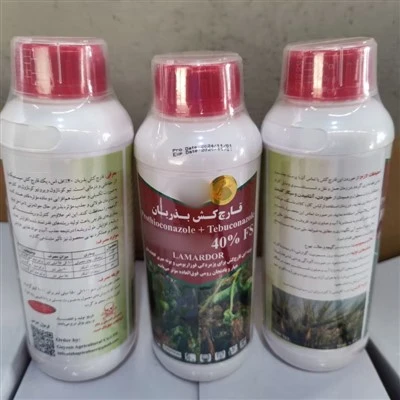
First off, let’s quickly go over what plant growth regulators are. PGRs are natural or synthetic substances that can influence the growth and development of plants. They can control things like cell division, elongation, and differentiation. Some common types of PGRs include auxins, gibberellins, cytokinins, abscisic acid, and ethylene. Each of these has its own unique effects on plants.
Now, the big question: Do plant growth regulators affect plant quality? The answer is a resounding yes, but it’s a bit more complicated than that. How PGRs affect plant quality depends on a bunch of factors, such as the type of PGR used, the dosage, the timing of application, and the specific plant species.
Let’s start with the positive impacts. One of the main benefits of using PGRs is that they can improve crop yield. For example, gibberellins can stimulate stem elongation and increase the size of fruits and vegetables. This means more produce for farmers to sell and more food on our tables. I remember one of my clients, a tomato farmer. He was struggling with small-sized tomatoes and low yields. After using a gibberellin-based PGR at the right time and in the right amount, his tomatoes grew much larger, and his yield increased by almost 30%. That was a huge win for him!
PGRs can also enhance the uniformity of plants. In a commercial setting, having uniform plants is super important. It makes harvesting easier and more efficient. Cytokinins, for instance, can promote bushier growth and more even branching. This results in a more consistent look for the plants. A flower grower I work with used a cytokinin PGR to make his petunias grow more evenly. The flowers were then more marketable because they all looked the same, which was a big plus for his business.
Another way PGRs can improve plant quality is by increasing stress tolerance. Abscisic acid is a PGR that helps plants deal with environmental stresses like drought, salinity, and cold. When plants are treated with abscisic acid, they can close their stomata to reduce water loss during a drought. I’ve seen this in action on a wheat farm. During a particularly dry season, the farmer applied an abscisic acid PGR to his wheat fields. The wheat plants were able to withstand the drought better than those in neighboring fields that didn’t use the PGR. The quality of the wheat was also better, with fewer shriveled grains.
However, it’s not all sunshine and rainbows. There can be some negative impacts of PGRs on plant quality if they’re not used correctly. One of the biggest issues is over – application. If you use too much of a PGR, it can have some pretty bad effects on the plants. For example, if you apply too much auxin, it can cause abnormal growth, like excessive branching or stunted roots. I once had a client who accidentally over – applied an auxin PGR to his roses. The roses started growing these strange, twisted branches, and the overall appearance of the plants was ruined.
Timing is also crucial. Applying a PGR at the wrong stage of plant development can be a disaster. For example, if you use a gibberellin PGR too early in the growth cycle of a grapevine, it can cause the grapes to grow too large too quickly, and they may not develop the right flavor. I’ve heard stories from winemakers who made this mistake and ended up with grapes that were not suitable for making high – quality wine.
The choice of PGR also matters. Different plant species respond differently to PGRs. What works well for one type of plant may not work at all for another. For example, some ornamental plants may be very sensitive to certain PGRs, and using the wrong one can cause leaf discoloration or even plant death. I always tell my customers to do some research or consult with an expert before using a PGR on a new plant species.
So, how can you make sure that PGRs have a positive impact on plant quality? The key is to use them responsibly. First of all, always follow the instructions on the label. The manufacturers spend a lot of time testing the products to determine the right dosage and application method. Second, do some small – scale trials before applying PGRs to a large area. This way, you can see how the plants respond and make any necessary adjustments. And finally, stay informed about the latest research on PGRs and plant quality. The field of plant science is constantly evolving, and new information can help you make better decisions.
In my experience as a PGR supplier, I’ve seen firsthand how these products can transform plant quality when used correctly. But it’s not just about selling the products; it’s about helping my customers get the best results. I’m always here to answer questions, offer advice, and provide support.
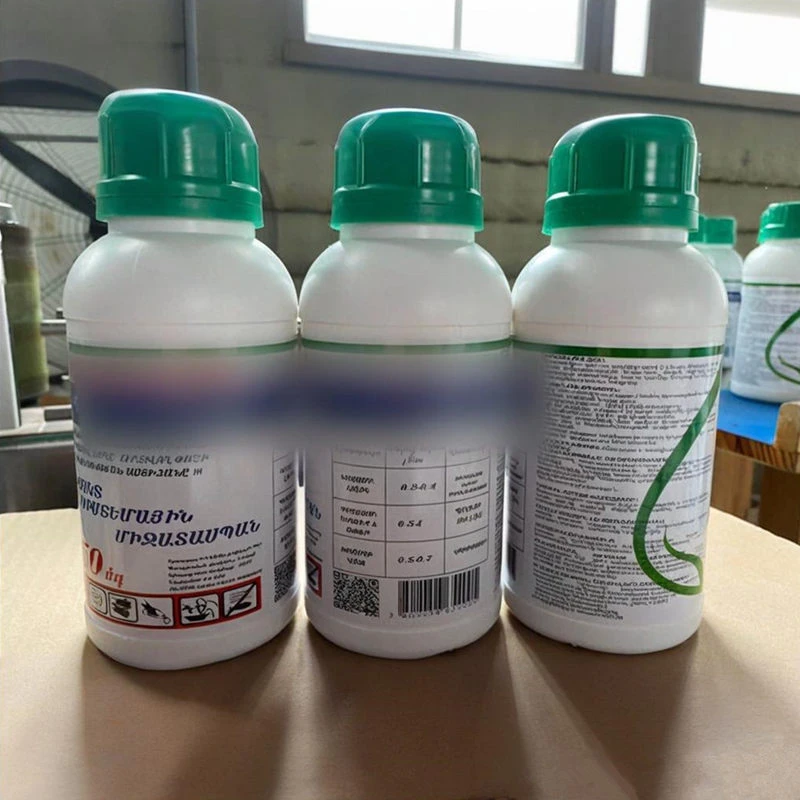
If you’re a farmer, gardener, or horticulturist looking to improve your plant quality, I’d love to have a chat with you. Whether you’re dealing with low yields, stress – affected plants, or just want to make your crops more uniform, PGRs could be the solution. Don’t hesitate to reach out and start a conversation about how we can work together to achieve your goals. Let’s get your plants growing better and looking their best!
Oxyfluorfen References
- Taiz, L., & Zeiger, E. (2010). Plant Physiology (5th ed.). Sinauer Associates Inc.
- Davies, P. J. (Ed.). (2010). Plant Hormones: Biosynthesis, Signal Transduction, Action! Springer.
Changzhou Dayilong Bio-Tech Co., Ltd.
With abundant experience, we are one of the most professional plant growth regulator manufacturers and suppliers in China. Please rest assured to buy bulk high quality plant growth regulator made in China here from our factory. Good service and reasonable price are available.
Address: Hundsun Science & Technology Park 3-1, BeiTangHe Road 8, Tianning District, Changzhou City, Jiangsu, China
E-mail: Sales@dayilongbio-tech.com
WebSite: https://www.dayilongagro-chemical.com/
