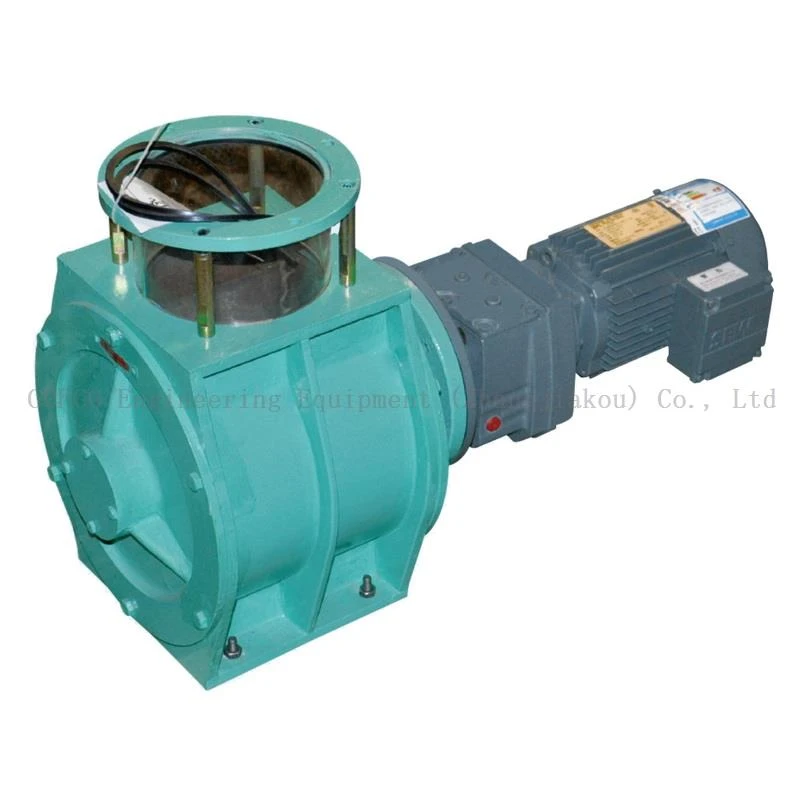
Grain cleaning is a pivotal process in the agricultural supply chain, ensuring that the final grain product is of high quality, free from contaminants, and fit for consumption or further processing. One of the significant challenges in grain cleaning is handling light impurities like chaff. As a seasoned supplier of grain cleaning machines, I’ve witnessed firsthand how these machines operate to tackle this issue effectively. Grain Cleaning Machines
Understanding the Nature of Chaff and Light Impurities
Chaff consists of the husks of grains and other light debris that are separated from the kernels during threshing. These light impurities are typically low in density and have a large surface – to – volume ratio, making them prone to being carried by air currents. Alongside chaff, other light impurities may include dust, broken straws, and small plant fragments. These contaminants not only reduce the quality of the grain but also can cause problems in subsequent processing steps, such as clogging machinery or affecting the taste and shelf – life of the final product.
Principles of Grain Cleaning Machines in Handling Chaff
Air Separation
Air separation is one of the fundamental methods used by grain cleaning machines to handle light impurities like chaff. The principle behind air separation is based on the difference in the aerodynamic properties of grains and chaff. Grains are denser and more compact than chaff, which means they are less affected by air currents.
In a typical air – separation system within a grain cleaning machine, a stream of air is introduced. The air is directed through a chamber where the mixture of grains and chaff is flowing. The light chaff is picked up by the air stream and carried away, while the heavier grains fall through the chamber under the influence of gravity.
The design of the air – flow path and the speed of the air are crucial factors. If the airspeed is too low, the chaff may not be effectively removed, and some may remain mixed with the grains. Conversely, if the airspeed is too high, valuable grains might also be carried away with the chaff. Modern grain cleaning machines are equipped with adjustable air – flow systems that allow operators to fine – tune the airspeed according to the type of grain and the specific characteristics of the impurities.
Screening and Sieving
While air separation is effective for separating light, airborne impurities, screening and sieving play a complementary role. Different grain varieties have distinct sizes, and the mesh sizes of the screens in a grain cleaning machine are carefully selected to match the size of the grains being processed.
Screens are designed to separate larger impurities from the grains. The mixture of grains and impurities is fed onto a vibrating screen. As the screen vibrates, the grains pass through the holes in the screen, while larger impurities such as stones, large pieces of straw, or unthreshed ears are retained on the screen and removed.
Subsequent finer screens can then be used to remove smaller impurities that may be similar in size to the grains. The movement of the screen, often a combination of linear and circular vibrations, ensures that the grains are evenly distributed across the screen surface, maximizing the separation efficiency.
Cyclonic Separation
Cyclonic separation is another advanced technique used in some high – end grain cleaning machines. It takes advantage of the centrifugal force generated by a cyclonic air flow.
The mixture of air, grains, and chaff is introduced tangentially into a cyclone chamber. As the air rotates within the chamber, the heavier grains are forced to the outer wall of the cyclone by the centrifugal force and then fall to the bottom of the chamber for collection. The lighter chaff and other fine dust are carried upward in the inner vortex of the cyclone and are removed through an outlet at the top.
Cyclonic separation is particularly effective in removing very fine dust particles and can operate continuously without clogging easily. It is often used in conjunction with other separation methods to achieve a higher level of grain purity.
Design Considerations for Handling Light Impurities
Machine Size and Capacity
The size and capacity of the grain cleaning machine are important factors to consider. For small – scale farmers or processing facilities, a compact and relatively low – capacity machine may be sufficient. These machines are typically more affordable and easier to operate and maintain.
On the other hand, large – scale commercial operations require high – capacity machines that can handle a large volume of grains in a short period. The design of these machines needs to ensure that the air – flow systems, screening mechanisms, and cyclonic separators can work efficiently under high – throughput conditions.
Material of Construction
The material used in constructing the grain cleaning machine is also critical, especially when handling light impurities like chaff. The interior surfaces of the machine should be smooth to prevent the accumulation of chaff and dust. Stainless steel is a popular choice as it is corrosion – resistant, easy to clean, and does not react with the grains or the impurities.
The screens need to be made of durable materials that can withstand the continuous flow of grains and the abrasive action of the impurities. High – quality wire mesh or perforated plates are commonly used for screening purposes.
Efficiency and Energy Consumption
In today’s environmentally – conscious world, the efficiency and energy consumption of grain cleaning machines are of great concern. Manufacturers are constantly striving to improve the design of these machines to minimize energy usage while maintaining high separation efficiency.
Advanced air – flow designs can optimize the use of air energy for separating chaff. For example, regenerative blowers can be used to recycle and reuse the air within the system, reducing the overall energy requirements. Similarly, the vibration motors of the screening system can be designed to operate at optimal frequencies to achieve the best separation results with the least amount of energy.
Case Studies in Handling Chaff
Wheat Cleaning
Wheat is one of the most widely – grown grains globally, and the presence of chaff in harvested wheat can significantly affect its quality. A typical wheat cleaning process using our grain cleaning machines starts with air separation. The harvested wheat, containing chaff, dust, and debris, is fed into the machine, where a well – calibrated air stream removes the majority of the light impurities.
After air separation, the wheat then passes through a series of screening stages. Coarse screens remove large pieces of straw and unthreshed wheat heads, while finer screens separate out smaller impurities and broken kernels. The final step may involve a cyclonic separator to remove any remaining fine dust particles, ensuring that the cleaned wheat meets the highest quality standards.
Rice Cleaning
Rice cleaning also presents unique challenges when it comes to handling chaff. In addition to the traditional chaff, rice may also have husks that need to be separated. Our grain cleaning machines for rice are specially designed to handle these multi – layer of impurities.
The air – separation process is carefully adjusted to remove the lighter rice husks and chaff without losing too many rice grains. The screening stages are optimized for the small size of rice grains, with precise mesh sizes to ensure that only clean rice passes through. The cyclonic separator is used at the end of the process to further remove any fine dust and powder generated during the cleaning process.
Conclusion
Handling light impurities like chaff is a complex but crucial task in the grain cleaning process. As a supplier of grain cleaning machines, we understand the importance of providing high – quality, efficient, and reliable equipment to our customers.
Our machines are designed based on advanced scientific principles, carefully considering factors such as air – flow dynamics, screening technology, and cyclonic separation. Through continuous research and development, we are constantly improving the performance of our machines to better meet the diverse needs of the agricultural industry.
If you are in the agricultural sector, whether you are a small – scale farmer or a large – scale grain processor, and are looking for effective solutions to handle light impurities in your grain cleaning process, we invite you to reach out to us. Contact us to discuss your specific requirements, and together, we can find the most suitable grain cleaning machine for your operations.
References
Feed Mixing Equipment Compair, N. S. (1990). Grain cleaning and handling. American Society of Agricultural and Biological Engineers.
Hall, C. W., & Musser, W. K. (1996). Principles of grain quality. Iowa State University Press.
Morey, R. V. (1985). Drying and storage of grains and oilseeds. Elsevier.
COFCO Engineering Equipment (Zhangjiakou) Co., Ltd.
As one of the most professional grain cleaning machines manufacturers and suppliers in China, we also support customized service. Please feel free to wholesale advanced grain cleaning machines for sale here from our factory. Quality products and reasonable price are available.
Address: No.4 ZhongLiang Street, high-tech industrial development zone, Zhangjiakou, Hebei, PRC
E-mail: mayihui@cofco.com
WebSite: https://www.ceeflourmill.com/
