As a shaft supplier, I often encounter clients who are curious about the various surface treatments available for shafts. The surface treatment of a shaft is crucial as it can significantly enhance the performance, durability, and functionality of the shaft. In this blog, I’ll delve into different surface treatments commonly used for shafts, explain their benefits, and highlight how they can meet specific industrial needs. Shaft

1. Heat Treatment
Heat treatment is one of the most fundamental and widely – used surface treatments for shafts. It involves heating the shaft to a specific temperature and then cooling it at a controlled rate. This process can alter the microstructure of the shaft material, improving its mechanical properties.
Annealing: Annealing is a process where the shaft is heated to a high temperature and then slowly cooled. It relieves internal stresses in the shaft, which are often generated during manufacturing processes like forging or machining. The softened shaft becomes more ductile, making it easier to machine further. For example, in the production of precision – engineered shafts for automotive transmissions, annealing may be used to ensure that the material can be accurately machined to tight tolerances.
Quenching and Tempering: Quenching involves rapidly cooling the heated shaft, usually in water, oil, or a polymer solution. This process hardens the shaft, increasing its wear resistance and strength. However, quenching can also make the shaft brittle. Tempering is then carried out by reheating the quenched shaft to a lower temperature and cooling it again. This reduces the brittleness while still retaining a high level of hardness. Shafts used in heavy – duty machinery, such as mining equipment, often undergo quenching and tempering to withstand the high – stress environments they operate in.
2. Galvanizing
Galvanizing is the process of applying a zinc coating to the shaft. Zinc is a sacrificial metal, which means that it corrodes preferentially to the base metal of the shaft. This provides excellent corrosion protection, especially in outdoor or humid environments.
There are two main types of galvanizing: hot – dip galvanizing and electro – galvanizing. Hot – dip galvanizing involves immersing the shaft in a bath of molten zinc. This method creates a thick, durable coating that can last for decades. Electro – galvanizing, on the other hand, uses an electric current to deposit a thin layer of zinc onto the shaft. It is a less expensive option and is often used when a thinner coating is sufficient, such as in some consumer products.
For example, shafts used in agricultural machinery are often hot – dip galvanized because they are exposed to the elements and need long – term corrosion protection. In contrast, shafts used in electronic devices may be electro – galvanized due to cost and the less – harsh environmental conditions.
3. Chrome Plating
Chrome plating is another popular surface treatment for shafts. It involves depositing a layer of chromium onto the shaft surface through an electroplating process. Chrome plating offers several benefits.
Hardness and Wear Resistance: Chromium is a very hard metal, and when plated onto a shaft, it significantly increases the shaft’s wear resistance. This is particularly important in applications where the shaft is in contact with other moving parts, such as in engines or pumps. The hard chrome layer reduces friction and wear, extending the service life of the shaft.
Corrosion Resistance: Chrome plating also provides good corrosion resistance. The chromium layer acts as a barrier, preventing moisture and other corrosive agents from reaching the base metal of the shaft. Shafts used in marine applications, where they are exposed to saltwater, often benefit from chrome plating to prevent corrosion.
Aesthetics: In addition to its functional benefits, chrome plating can also enhance the appearance of the shaft. It gives the shaft a shiny, smooth finish, which is desirable in some consumer products or applications where appearance matters.
4. Nitriding
Nitriding is a heat – treating process that diffuses nitrogen into the surface of the shaft. This creates a hard, wear – resistant nitride layer on the shaft surface.
Benefits of Nitriding: Nitriding offers several advantages. First, it can be carried out at relatively low temperatures compared to some other heat – treatment processes. This means that the shaft undergoes less distortion, which is crucial for maintaining the dimensional accuracy of the shaft. Second, the nitride layer has excellent wear and corrosion resistance. It can withstand high – stress conditions and is resistant to galling and seizure.
Applications: Nitriding is commonly used in the automotive and aerospace industries. For example, in automotive engines, nitrided shafts are used in components such as camshafts and crankshafts to improve their performance and durability. In aerospace, nitrided shafts are used in various aircraft mechanisms to ensure reliable operation under extreme conditions.
5. Phosphating
Phosphating is a chemical treatment that creates a phosphate coating on the shaft surface. There are different types of phosphating, such as manganese phosphating, zinc phosphating, and iron phosphating.
Zinc Phosphating: Zinc phosphating is one of the most widely used phosphating processes. It creates a porous zinc phosphate coating on the shaft. This coating provides good corrosion resistance, especially when combined with a subsequent coating, such as paint or oil. It also improves the adhesion of the paint or oil to the shaft surface. Zinc – phosphated shafts are often used in the automotive industry, where they are painted to provide additional protection and aesthetic appeal.
Manganese Phosphating: Manganese phosphating produces a harder and more wear – resistant coating than zinc phosphating. It is often used in applications where the shaft is subject to high – friction conditions, such as in gears and bearings.
6. Choosing the Right Surface Treatment
Selecting the appropriate surface treatment for a shaft depends on several factors:
Application Requirements: The first consideration is the intended application of the shaft. If the shaft will be used in a corrosive environment, a corrosion – resistant treatment like galvanizing or chrome plating may be required. If it needs to withstand high – wear conditions, a hardening treatment like heat treatment or nitriding would be more suitable.
Material of the Shaft: Different shaft materials respond differently to surface treatments. For example, some alloy steels may be better suited for certain heat – treatment processes, while others may be more amenable to plating.
Cost: Cost is also an important factor. Some surface treatments, such as chrome plating, can be relatively expensive, especially for large – scale production. In some cases, a less – expensive treatment that still meets the basic requirements may be a more viable option.
7. Our Role as a Shaft Supplier
As a shaft supplier, we understand the importance of surface treatment in meeting the diverse needs of our customers. We work closely with our clients to understand their specific requirements and recommend the most appropriate surface treatment for their shafts.
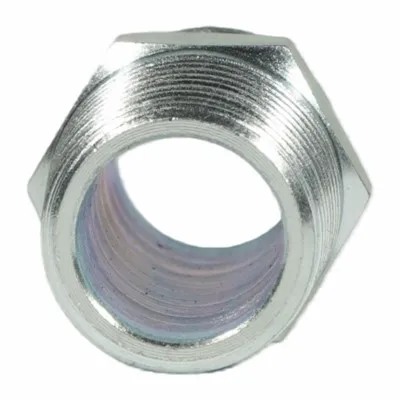
We have a team of experienced engineers and technicians who are well – versed in various surface – treatment processes. We use state – of – the – art equipment and techniques to ensure the highest quality of surface treatment for our shafts. Whether it’s a small – batch order for a specialized application or a large – scale production for a mass – market product, we can provide high – quality shafts with the right surface treatment.
Shaft If you are in the market for shafts or need more information about surface treatments for shafts, we are here to help. Our goal is to provide you with the best – quality shafts that meet your exact needs and specifications. Feel free to reach out to us for a detailed discussion about your requirements and how we can support your business.
References
- Metals Handbook: Heat Treating. ASM International.
- Corrosion Handbook. McGraw – Hill.
- Surface Engineering for Corrosion and Wear Resistance. Woodhead Publishing.
Kunshan Haizhijie Precision Hardware Co., Ltd.
As one of the most professional shaft manufacturers and suppliers in China, we’re featured by quality products and good price. Please rest assured to buy customized shaft made in China here from our factory. Also, pricelist is available.
Address: No. 367, Kangzhuang Road, Zhou City Town, Kunshan City, Jiangsu Province, China
E-mail: wzhshui@sina.com
WebSite: https://www.hzhjmetal.com/
