When dealing with high-power devices, selecting the right power cable is crucial. As a power cable supplier, I’ve witnessed firsthand the impact of proper cable selection on the performance and safety of high-power equipment. In this blog post, I’ll share some insights on how to choose a power cable for high-power devices. Power Cable

Understanding High-Power Devices
Before delving into cable selection, it’s essential to understand the nature of high-power devices. These devices typically draw a significant amount of electrical current to operate efficiently. Examples include industrial machinery, large appliances like electric stoves and dryers, data center servers, and high-powered audio systems. The power requirements of these devices can vary widely, ranging from a few hundred watts to several kilowatts or even more.
The power consumption of a device is measured in watts (W) and is calculated by multiplying the voltage (V) by the current (I), using the formula P = V × I. For instance, a device operating at 220 volts and drawing 10 amperes of current has a power consumption of 2200 watts or 2.2 kilowatts. Understanding the power requirements of your device is the first step in choosing an appropriate power cable.
Key Factors in Power Cable Selection
1. Current Capacity
The most critical factor in selecting a power cable for a high-power device is its current-carrying capacity, also known as ampacity. Ampacity refers to the maximum amount of electrical current that a cable can safely carry without overheating. Overheating can lead to insulation damage, short circuits, and even fires.
The ampacity of a cable depends on several factors, including the size of the conductor, the type of insulation, and the ambient temperature. Generally, larger conductors can carry more current. Cable sizes are typically specified using the American Wire Gauge (AWG) system in North America or the cross-sectional area in square millimeters (mm²) in other parts of the world. The lower the AWG number or the larger the cross-sectional area, the thicker the conductor and the higher the ampacity.
For example, a 14 AWG (2.08 mm²) copper cable can typically carry up to 15 amperes of current, while a 10 AWG (5.26 mm²) copper cable can carry up to 30 amperes. When choosing a cable, make sure its ampacity is higher than the maximum current draw of your device to ensure safe operation.
2. Voltage Rating
The voltage rating of a cable indicates the maximum voltage that the cable can withstand without breaking down. Using a cable with a voltage rating lower than the operating voltage of your device can result in electrical arcing, insulation failure, and potential safety hazards.
Most power cables are available in standard voltage ratings, such as 125 volts, 250 volts, or 600 volts. For high-power devices operating at higher voltages, it’s essential to choose a cable with a corresponding voltage rating. For example, if your device operates at 480 volts, you should select a cable with a voltage rating of at least 600 volts.
3. Insulation Material
The insulation material of a power cable plays a vital role in protecting the conductor from damage and preventing electrical leakage. Different insulation materials offer varying levels of heat resistance, flexibility, and chemical resistance.
Common insulation materials for power cables include polyvinyl chloride (PVC), cross-linked polyethylene (XLPE), and ethylene propylene rubber (EPR). PVC is a widely used insulation material due to its low cost, good flexibility, and resistance to moisture. However, it has a relatively low heat resistance compared to XLPE and EPR. XLPE and EPR offer better heat resistance and are often used in high-temperature applications, such as industrial settings and power distribution systems.
When choosing a cable, consider the operating environment of your device. If the cable will be exposed to high temperatures, chemicals, or mechanical stress, select an insulation material that can withstand these conditions.
4. Cable Length
The length of the power cable can also affect its performance. As the length of the cable increases, the resistance of the conductor also increases, which can result in a voltage drop. A significant voltage drop can cause the device to operate inefficiently or even malfunction.
To minimize voltage drop, it’s important to choose a cable with a low resistance. This can be achieved by selecting a cable with a larger conductor size or using a cable made of a material with a lower resistivity, such as copper. Additionally, try to keep the cable length as short as possible to reduce the resistance and voltage drop.
5. Environmental Conditions
The environmental conditions in which the power cable will be installed should also be taken into account. Factors such as temperature, humidity, exposure to chemicals, and mechanical stress can all affect the performance and lifespan of the cable.
For example, if the cable will be installed in a high-temperature environment, choose a cable with a high-temperature insulation material. If the cable will be exposed to moisture or chemicals, select a cable with a waterproof or chemical-resistant jacket. In addition, if the cable will be subject to mechanical stress, such as bending or pulling, choose a cable with a flexible and durable construction.
Types of Power Cables for High-Power Devices
1. Single-Conductor Cables
Single-conductor cables consist of a single conductor surrounded by insulation. They are typically used in applications where a single phase of electrical power needs to be transmitted, such as in residential and commercial buildings. Single-conductor cables are available in various sizes and insulation materials to meet different power requirements and environmental conditions.
2. Multi-Conductor Cables
Multi-conductor cables contain multiple conductors within a single jacket. They are commonly used in applications where multiple phases of electrical power need to be transmitted, such as in industrial machinery and power distribution systems. Multi-conductor cables can simplify the installation process and reduce the amount of wiring required.
3. Flexible Cables
Flexible cables are designed to be easily bent and moved without damaging the conductors or insulation. They are often used in applications where the cable needs to be frequently flexed, such as in portable equipment and robotics. Flexible cables are available in various configurations and insulation materials to provide flexibility and durability.
4. Armored Cables
Armored cables are protected by a layer of metal armor, such as steel tape or wire, to provide mechanical protection against damage. They are commonly used in applications where the cable is exposed to physical abuse, such as in industrial settings and outdoor installations. Armored cables can also provide additional protection against electromagnetic interference (EMI).
Conclusion
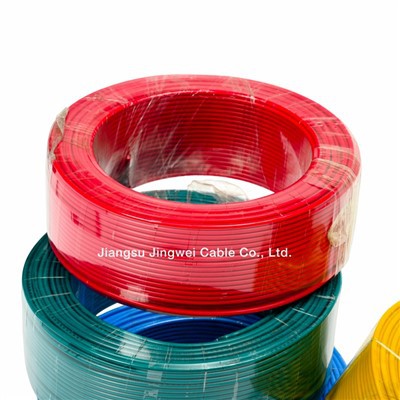
Choosing the right power cable for a high-power device is essential for ensuring its safe and efficient operation. By considering factors such as current capacity, voltage rating, insulation material, cable length, and environmental conditions, you can select a cable that meets the specific requirements of your device.
Solar DC Cables As a power cable supplier, I’m committed to providing high-quality cables that meet the highest standards of safety and performance. If you’re in need of a power cable for your high-power device, I encourage you to contact me to discuss your requirements and explore the options available. I’m here to help you make the right choice and ensure the success of your project.
References
- National Electrical Code (NEC)
- International Electrotechnical Commission (IEC) standards
- Cable manufacturers’ technical specifications and datasheets
Jiangsu Jingwei Cable Co., Ltd.
As one of the leading power cable manufacturers in China, we warmly welcome you to buy bulk durable power cable made in China here from our factory. All cables are with high quality and competitive price. For pricelist and free sample, contact us now.
Address: Industrial Concentration Zone C, Guanlin Town,Yixing City, Jiangsu Province
E-mail: marilyn.wang@jingwei-cable.com
WebSite: https://www.jwcable.com/
