Hydraulic plugs are crucial components in hydraulic systems, serving to seal ports and prevent the leakage of hydraulic fluid. As a supplier of hydraulic plugs, I have in – depth knowledge of the various materials used in their production. In this blog, I will explore the different materials that hydraulic plugs are made of, their properties, and the applications where they are most suitable. Hydraulic Plug
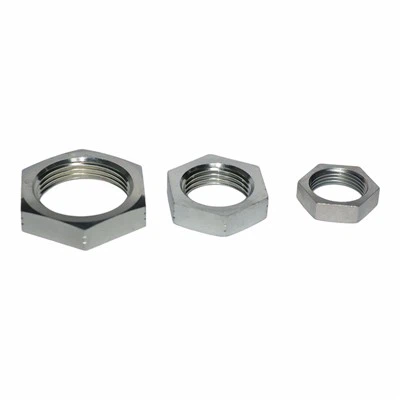
Rubber
Rubber is one of the most commonly used materials for hydraulic plugs. It offers several advantages that make it a popular choice in the industry.
Properties
- Elasticity: Rubber has excellent elasticity, which allows it to conform to the shape of the port being sealed. This ensures a tight and reliable seal, even in irregularly shaped ports. For example, in a hydraulic system where there are slight variations in the port dimensions, a rubber plug can easily adapt and prevent fluid leakage.
- Sealing Performance: It provides a high – quality seal against hydraulic fluids. Rubber has good resistance to a wide range of hydraulic fluids, including mineral oils, synthetic oils, and water – based fluids. This makes it suitable for a variety of hydraulic applications.
- Flexibility: The flexibility of rubber makes it easy to install and remove. It can be compressed and inserted into the port without the need for complex tools or procedures.
Applications
- General Hydraulic Systems: Rubber plugs are widely used in general hydraulic systems, such as those found in industrial machinery, construction equipment, and automotive hydraulic systems. They are used to seal ports during maintenance, testing, or storage to prevent fluid leakage.
- Low – Pressure Applications: In low – pressure hydraulic systems, rubber plugs are often the preferred choice due to their cost – effectiveness and ease of use.
Plastic
Plastic is another material commonly used in the production of hydraulic plugs.
Properties
- Lightweight: Plastic plugs are lightweight, which makes them easy to handle and install. This is particularly beneficial in applications where weight is a concern, such as in aerospace or portable hydraulic equipment.
- Corrosion Resistance: Many plastics have good corrosion resistance, making them suitable for use in harsh environments. For example, in marine hydraulic systems where the plugs are exposed to saltwater, plastic plugs can resist corrosion and maintain their integrity.
- Cost – Effective: Plastic is generally less expensive than other materials, making it a cost – effective option for large – scale production or applications where cost is a major factor.
Applications
- Automotive Hydraulic Systems: Plastic plugs are commonly used in automotive hydraulic systems, such as in brake lines and power steering systems. They are used to seal ports during manufacturing, assembly, and maintenance.
- Agricultural Machinery: In agricultural machinery, plastic plugs are used to seal hydraulic ports in tractors, combines, and other equipment. Their low cost and ease of use make them a practical choice for these applications.
Metal
Metal hydraulic plugs are known for their strength and durability.
Properties
- High Strength: Metals such as steel, brass, and aluminum offer high strength, which makes them suitable for high – pressure hydraulic applications. They can withstand the high forces exerted by hydraulic fluids without deforming or breaking.
- Temperature Resistance: Metal plugs can withstand a wide range of temperatures, from extremely cold to very high temperatures. This makes them suitable for use in hydraulic systems that operate in extreme environments, such as in industrial ovens or cryogenic applications.
- Long – Term Durability: Metal plugs have a long service life, which reduces the need for frequent replacement. They are resistant to wear, corrosion, and other forms of damage, ensuring reliable performance over time.
Applications
- High – Pressure Hydraulic Systems: Metal plugs are commonly used in high – pressure hydraulic systems, such as those found in heavy – duty machinery, hydraulic presses, and oil and gas exploration equipment.
- Aerospace Hydraulic Systems: In aerospace applications, metal plugs are used to seal hydraulic ports in aircraft hydraulic systems. Their high strength and reliability are essential for ensuring the safety and performance of the aircraft.
Composite Materials
Composite materials are becoming increasingly popular in the production of hydraulic plugs.
Properties
- Combined Properties: Composite materials combine the properties of different materials, such as the strength of metal and the flexibility of rubber. This allows for the creation of plugs with unique properties that are tailored to specific applications.
- Lightweight and Strong: Composite plugs can be designed to be lightweight while still maintaining high strength. This is beneficial in applications where weight reduction is important, such as in automotive and aerospace industries.
- Customizability: Composite materials can be easily customized to meet the specific requirements of different applications. They can be molded into various shapes and sizes, and their properties can be adjusted by changing the composition of the materials.
Applications
- High – Performance Hydraulic Systems: Composite plugs are used in high – performance hydraulic systems, such as those found in racing cars, high – speed trains, and advanced industrial machinery. Their unique properties allow for improved performance and reliability.
- Specialty Applications: In specialty applications, such as in medical equipment or food processing machinery, composite plugs can be designed to meet specific requirements, such as resistance to chemicals or compliance with hygiene standards.
Conclusion
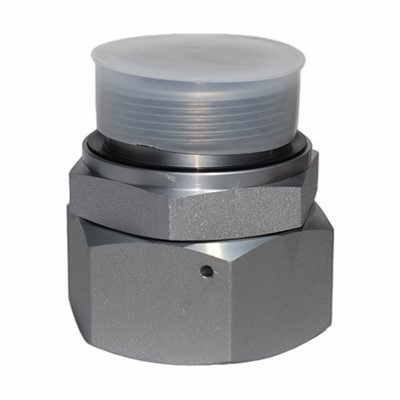
As a hydraulic plug supplier, I understand the importance of choosing the right material for each application. Rubber, plastic, metal, and composite materials all have their own unique properties and advantages, and the choice of material depends on factors such as the pressure, temperature, and type of hydraulic fluid in the system, as well as the specific requirements of the application.
Hydraulic Fittings If you are in need of high – quality hydraulic plugs, we are here to help. Our team of experts can assist you in selecting the most suitable material and design for your specific needs. Whether you are looking for a plug for a general hydraulic system or a high – performance application, we have the products and expertise to meet your requirements. Contact us to start a procurement discussion and find the perfect hydraulic plugs for your project.
References
- ASME B31.1 – Power Piping Code
- ISO 6149 – 1:2019 – Hydraulic fluid power — Ports and stud ends with ISO 261 threads for O – ring face seals
- ASTM D2000 – Standard Classification System for Rubber Products in Automotive Applications
Yuyao Huiqiang Fluid Connectors Co., Ltd.
As one of the most professional hydraulic plug manufacturers and suppliers in China, we also support customized service with low price. Please feel free to wholesale cheap hydraulic plug in stock here from our factory. Welcome to view our website for more information.
Address: No. 102, Wenwei Road, Zhangting Town, Yuyao City, Ningbo City, Zhejiang Province
E-mail: huiqiangliuti@aliyun.com
WebSite: https://www.huiqiangfitting.com/
