In the modern industrial landscape, the efficient use of resources and environmental sustainability have become paramount concerns. As a supplier of Industrial By – product Gas Recovery Units, I often find myself in discussions about the applicability of our technology across various industries. One such industry that has piqued my interest is the textile industry. In this blog, I will explore whether an Industrial By – product Gas Recovery Unit can be effectively used in the textile industry. Industrial By-product Gas Recovery Unit

The Textile Industry: A Resource – Intensive Sector
The textile industry is a vast and complex sector that encompasses everything from fiber production to fabric manufacturing and garment finishing. It is known for its high energy consumption and significant environmental impact. The processes involved in textile production, such as spinning, weaving, dyeing, and finishing, require large amounts of heat and power. These processes often rely on fossil fuels, which not only contribute to greenhouse gas emissions but also result in the generation of various by – product gases.
By – product Gases in the Textile Industry
During the textile manufacturing process, several by – product gases are produced. For example, in the dyeing and finishing processes, steam is often used to set the dyes and treat the fabrics. The generation of steam typically involves the combustion of natural gas or other fossil fuels, which releases carbon dioxide (CO₂), nitrogen oxides (NOₓ), and other pollutants into the atmosphere. Additionally, some chemical processes in textile production may release volatile organic compounds (VOCs) and other harmful gases.
The Role of Industrial By – product Gas Recovery Units
An Industrial By – product Gas Recovery Unit is designed to capture, purify, and reuse by – product gases that would otherwise be wasted or released into the environment. These units can help industries reduce their energy consumption, lower their carbon footprint, and save on operational costs.
In the context of the textile industry, an Industrial By – product Gas Recovery Unit can offer several benefits. Firstly, it can recover and reuse the heat energy contained in the by – product gases. For example, the hot exhaust gases from steam boilers can be captured and used to pre – heat the incoming water or air, reducing the amount of fuel needed to generate steam. This not only saves energy but also reduces the overall cost of production.
Secondly, the recovery unit can help in reducing the emission of pollutants. By capturing and treating the by – product gases, it can remove harmful substances such as NOₓ, VOCs, and particulate matter before they are released into the atmosphere. This is in line with the increasing environmental regulations and the industry’s growing commitment to sustainability.
Technical Feasibility
From a technical perspective, the use of an Industrial By – product Gas Recovery Unit in the textile industry is feasible. The technology has been well – developed and proven in other industries, such as the chemical and steel industries. The basic principle of gas recovery involves the use of heat exchangers, filters, and separation units to capture and purify the by – product gases.
In the textile industry, the specific design of the recovery unit would depend on the nature of the by – product gases and the production processes. For example, if the main by – product gas is CO₂, the recovery unit may be designed to capture and store the CO₂ for potential reuse in other processes, such as carbonation in the food and beverage industry or as a raw material in chemical synthesis.
Economic Viability
The economic viability of using an Industrial By – product Gas Recovery Unit in the textile industry is also an important consideration. The initial investment in the recovery unit can be significant, but the long – term savings in energy costs and potential revenue from the sale of recovered gases can offset the upfront costs.
For example, by reducing the energy consumption in steam generation, the textile manufacturer can save on fuel costs. Additionally, if the recovered gases can be sold or reused in other processes, it can generate additional revenue. However, a detailed cost – benefit analysis is required to determine the exact economic viability for each textile manufacturing facility.
Case Studies
Although there are limited case studies specifically focused on the use of Industrial By – product Gas Recovery Units in the textile industry, there are examples from other industries that can provide insights. For instance, in the chemical industry, companies have successfully implemented gas recovery units to reduce their energy consumption and environmental impact.
One such example is a chemical plant that installed a gas recovery unit to capture and reuse the waste gases from its production processes. The unit was able to recover a significant amount of heat energy, which was used to pre – heat the incoming feedstock, resulting in a substantial reduction in energy costs.
Challenges and Solutions
There are several challenges associated with implementing an Industrial By – product Gas Recovery Unit in the textile industry. One of the main challenges is the variability of the by – product gases. The composition and flow rate of the gases can vary depending on the production processes and the type of raw materials used. This requires a flexible and adaptable design of the recovery unit.
Another challenge is the integration of the recovery unit into the existing production processes. The textile industry has complex and interconnected production lines, and any changes in the system need to be carefully planned to minimize disruptions.
To address these challenges, our company offers customized solutions. We work closely with textile manufacturers to understand their specific needs and develop a recovery unit that is tailored to their production processes. Our team of engineers has extensive experience in designing and installing gas recovery units in various industries, and we can provide ongoing support and maintenance to ensure the smooth operation of the unit.
Conclusion
In conclusion, an Industrial By – product Gas Recovery Unit can be effectively used in the textile industry. It offers significant benefits in terms of energy savings, environmental protection, and cost reduction. Although there are challenges associated with its implementation, with the right technology and expertise, these challenges can be overcome.
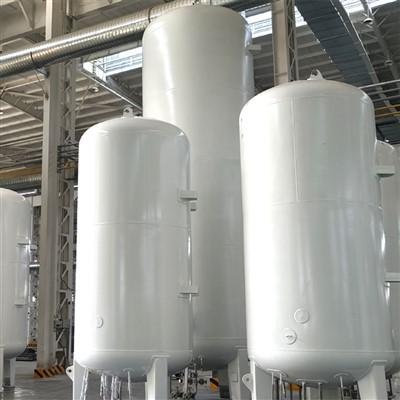
As a supplier of Industrial By – product Gas Recovery Units, I am confident that our technology can make a positive impact on the textile industry. We are committed to helping textile manufacturers improve their sustainability and competitiveness by providing high – quality gas recovery solutions.
Type Of Air Separation Unit If you are a textile manufacturer interested in exploring the use of an Industrial By – product Gas Recovery Unit for your facility, I encourage you to contact us. Our team of experts will be happy to discuss your specific needs and provide you with a customized solution. We look forward to the opportunity to work with you and contribute to a more sustainable future for the textile industry.
References
- [1] Smith, J. (2018). Energy Efficiency in the Textile Industry. Journal of Industrial Energy Management, 25(3), 123 – 135.
- [2] Johnson, A. (2019). Gas Recovery Technologies in Industrial Processes. Industrial Engineering Review, 32(2), 45 – 56.
- [3] Brown, C. (2020). Environmental Sustainability in the Textile Sector. Textile Journal, 45(4), 78 – 89.
Xinxiang Jiale Intelligent Equipment Co., Ltd.
As one of the leading industrial by-product gas recovery unit manufacturers and suppliers in China, we also support customized service. Please feel free to buy high quality industrial by-product gas recovery unit for sale here from our factory. Contact us for more details.
Address: No.3913, 9th Floor, Unit 3, East Commercial and Office Complex, Baolong City Plaza, Hongqi District, Xinxiang City, Henan Province, China
E-mail: cc2397410@gmail.com
WebSite: https://www.jialeasu.com/
